19 Bedroom Design Mistakes for Small Room Problems
Does your bedroom feel cramped, cluttered, or smaller than it should? You’re not alone. Many people unknowingly make simple Bedroom Design Mistakes that make a small room feel tight and overwhelming instead of cozy and relaxing.
The good news is that small bedrooms have incredible design potential. With the right layout choices, lighting tricks, and smart furniture ideas, even the tiniest space can feel open, stylish, and beautifully organized.
In my experience, the biggest transformations often come from the smallest changes. I’ve noticed that moving furniture, using vertical storage, or adding reflective surfaces can instantly shift how a room feels. What once felt crowded can suddenly look airy and thoughtfully styled.
In this guide, you’ll discover practical, visually inspiring ideas that solve common small-room problems. These tips are designed to help you create a bedroom that feels calm, spacious, and Pinterest-worthy without needing a full renovation.
1. Floating Nightstands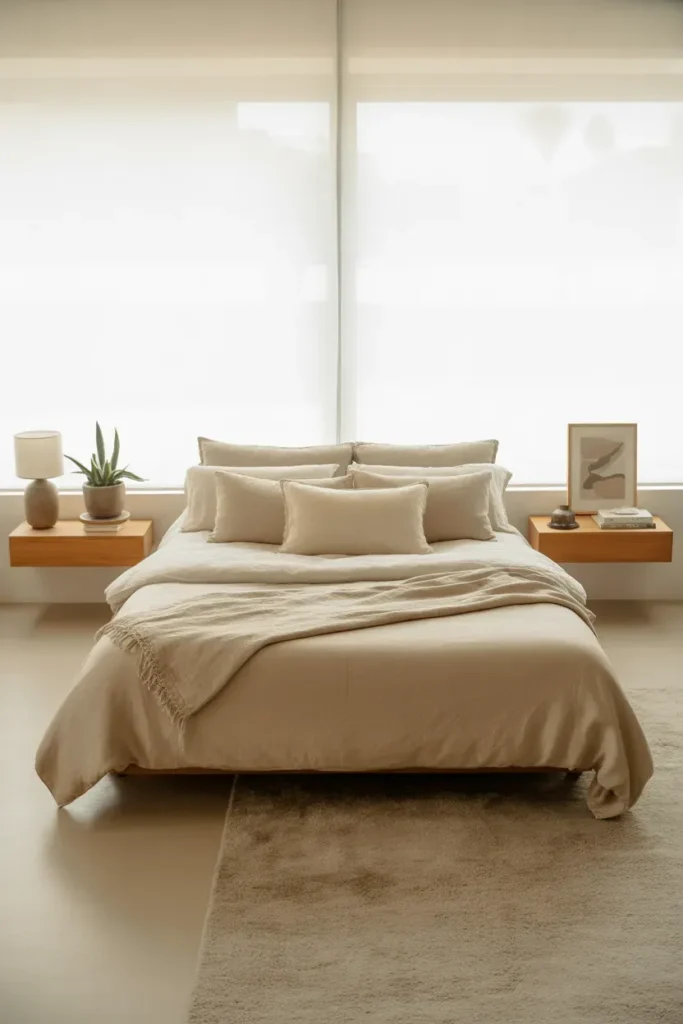
- Saves floor space and opens up small rooms
- Creates a sleek, modern, and airy feel
- Highlights the bed as the central focal point
- Perfect for minimal and Japandi-inspired interiors
- Easy to style with decor like candles or small plants
Floating nightstands instantly make a small bedroom feel more spacious and uncluttered. By keeping the floor visible, your room appears larger and more open. I’ve noticed that even in compact layouts, floating nightstands provide a stylish surface for essentials without crowding the space. They work especially well in minimalist or modern bedrooms where clean lines are key. Adding personal touches like a small lamp, plant, or book tray can make the setup both functional and visually appealing. This simple swap transforms the room without major renovations.
One of the biggest bedroom design mistakes is overcrowding the floor with bulky furniture. Floating nightstands solve this problem by keeping surfaces off the ground, making cleaning and styling easier. In my experience, these nightstands also highlight the bed as the centerpiece, giving the room a balanced look. Their sleek design suits a variety of styles, from Japandi to Scandinavian minimalism. With carefully chosen textures like wood, linen, or ceramic, floating nightstands can feel warm, inviting, and practical. They create a subtle luxury effect without overwhelming small spaces.
2. Multi-Functional Beds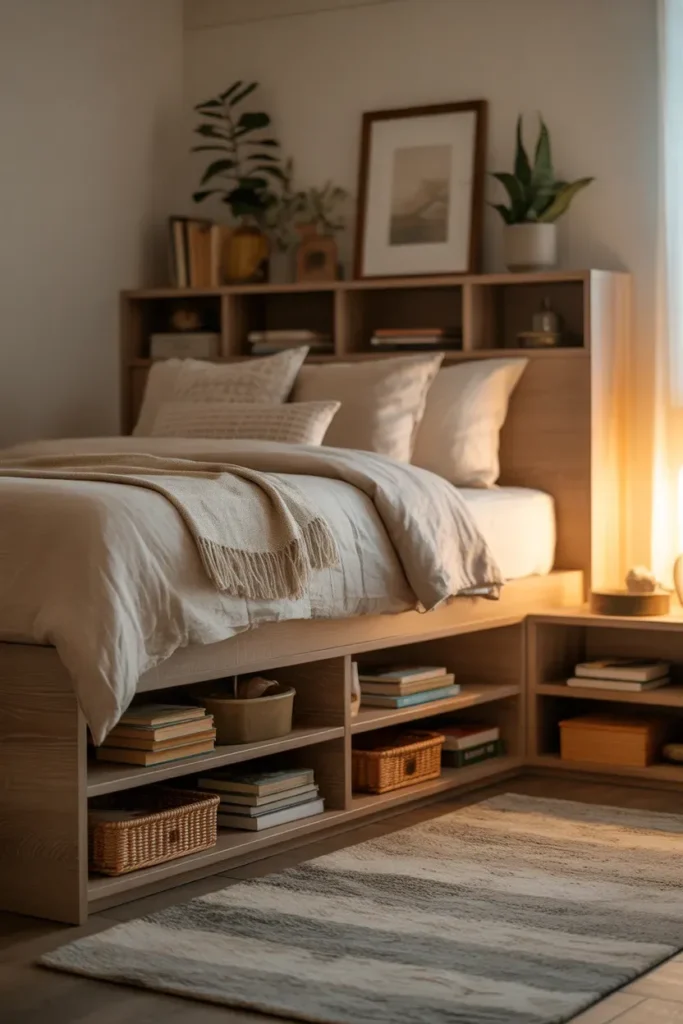
- Maximizes storage without extra furniture
- Keeps the room tidy and clutter-free
- Ideal for small bedrooms and studio spaces
- Combines functionality with a cozy aesthetic
- Works well with neutral or warm color palettes
Small rooms often suffer from clutter, making them feel cramped and chaotic. Multi-functional beds with storage drawers or under-bed shelving provide a smart solution. I’ve tried this in my own space, and the difference is remarkable—extra blankets, books, or personal items fit neatly without additional furniture. These beds seamlessly blend practicality with design, keeping your bedroom clean while maintaining a cozy, stylish atmosphere. They’re particularly effective in modern farmhouse or Scandinavian bedrooms, where natural materials and layered textures make the space both inviting and organized.
One common bedroom design mistake is adding too many separate storage pieces, which crowds the room. Multi-functional beds replace bulky cabinets or dressers, opening up floor space and simplifying cleaning. I’ve noticed this approach also makes small bedrooms feel intentionally designed rather than cramped. By combining drawers, shelves, or even hidden compartments, you gain practical storage that doubles as a design feature. Pairing these beds with neutral linens, layered rugs, and minimal decor enhances the airy, spacious feel while maintaining a Pinterest-worthy aesthetic that feels both functional and elegant.
3. Oversized Mirrors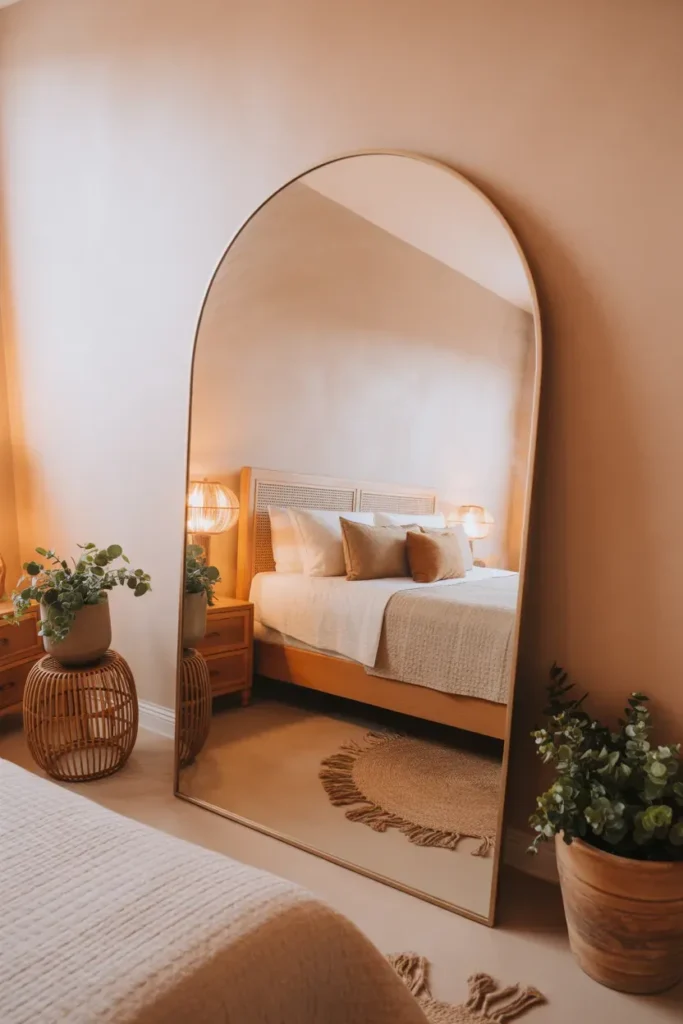
- Makes a small room appear larger and brighter
- Reflects natural light for a more open feel
- Adds a stylish, statement decor piece
- Complements modern, boho, or luxury interiors
- Enhances depth and visual interest in tight spaces
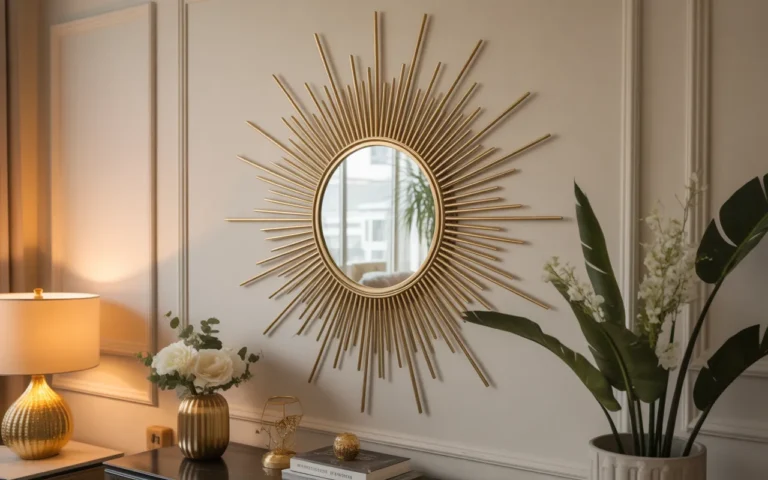
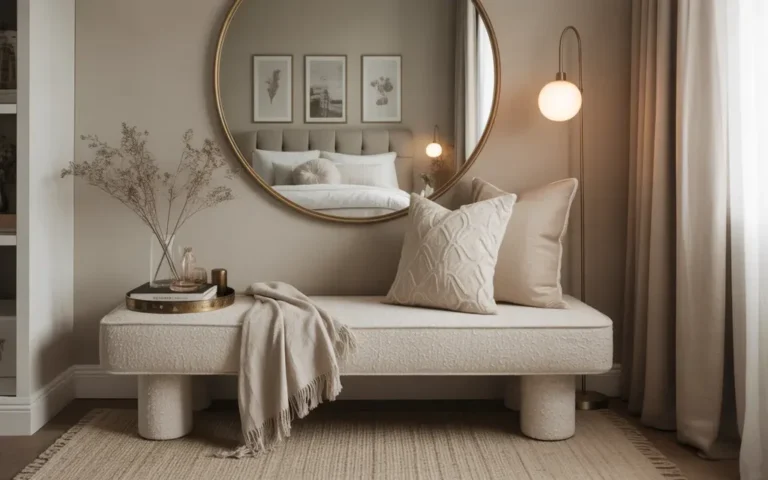
Oversized mirrors are a game-changer in compact bedrooms. By reflecting light and space, they instantly create a sense of openness and brightness. I’ve seen this work beautifully in rooms that previously felt cramped or dim. Placing a large mirror against a wall or in a corner adds both function and style, serving as a statement piece while visually expanding the room. It’s a smart solution for small spaces without adding clutter, and it pairs well with almost any decor style, from boho chic to contemporary minimalism.
A frequent bedroom design mistake is underestimating the power of reflective surfaces. Oversized mirrors solve multiple problems at once: they enhance light, add depth, and serve as a stylish focal point. In my experience, the placement of a mirror can dramatically shift a room’s energy, making it feel airy and welcoming. Layered textures, greenery, and soft lighting around the mirror amplify the visual effect. Whether you choose a full-length frame, arched design, or decorative border, this idea transforms small rooms into Instagram-worthy spaces that feel both luxurious and practical.
4. Light Curtains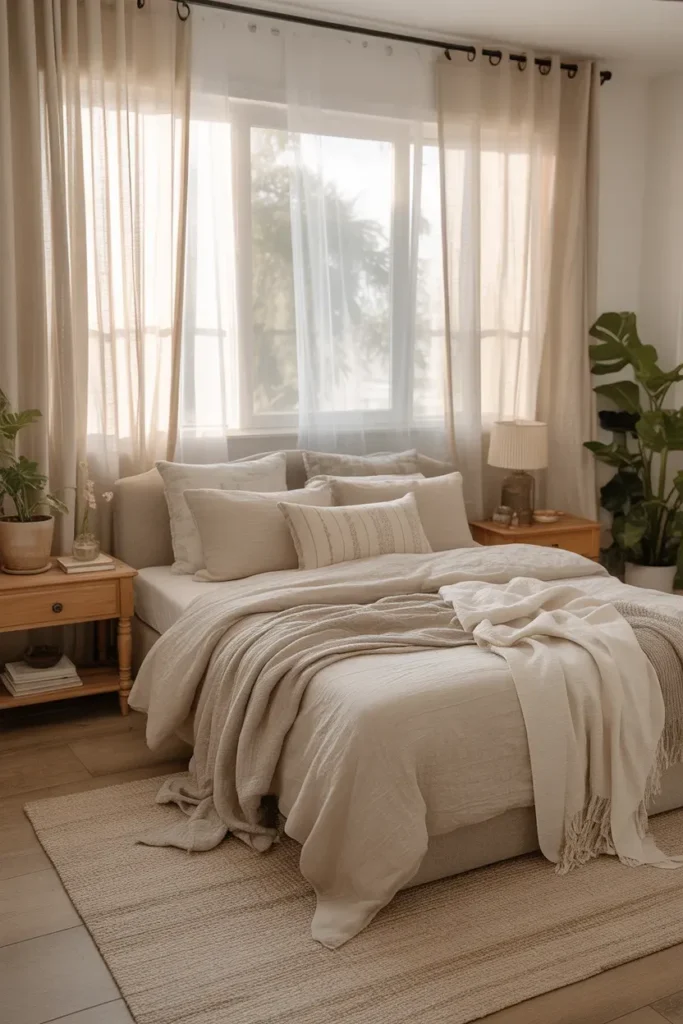
- Maximizes natural light in small rooms
- Creates a soft, airy, and spacious feel
- Adds subtle texture without clutter
- Complements modern, farmhouse, or Scandinavian interiors
- Easily styled with layered rugs or throws
Soft, light curtains transform a bedroom by letting in natural light while maintaining privacy. I’ve noticed that even small bedrooms feel larger and more open when sunlight gently filters through sheer fabrics. These curtains create a calming, airy atmosphere while enhancing the room’s textures, from linen bedding to wooden furniture. They are particularly effective in modern farmhouse or minimalist styles, where layering and subtle materials matter. In my experience, this simple upgrade immediately elevates the room’s mood, making it cozy yet elegant, and perfect for Pinterest-worthy interiors.
Many bedroom design mistakes stem from heavy, dark window treatments that shrink the visual space. Light curtains solve this by softening the light and creating depth without overpowering the room. I’ve seen small bedrooms completely transform when bulky drapes are replaced with sheer, flowing fabrics. They enhance natural materials like wood and linen while maintaining a harmonious color palette. Adding simple accessories such as a textured rug or a neutral throw complements the curtains, creating a balanced, inviting, and stylish space that feels both open and meticulously curated.
5. Vertical Storage Shelves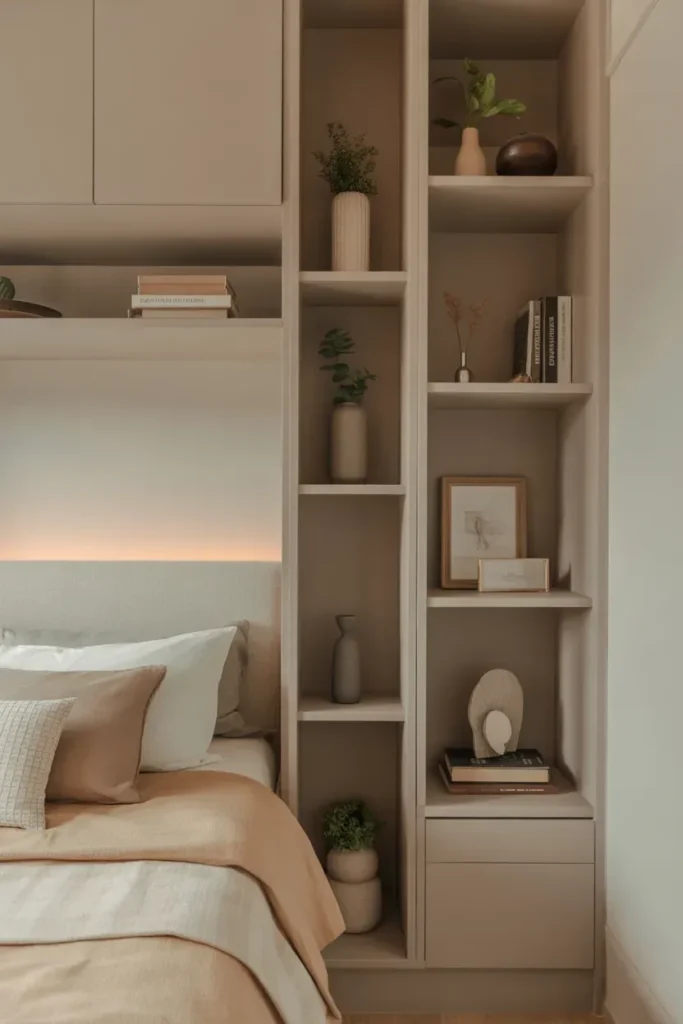
- Saves floor space in small bedrooms
- Adds functional and stylish storage
- Draws eyes upward, creating height illusion
- Works in minimalist, modern, or boho rooms
- Easy to decorate with books, plants, or decor
Cluttered floors are a common bedroom design mistake in small spaces. Vertical storage shelves provide a smart solution, offering functional storage while visually elongating the walls. I’ve tried this setup, and it instantly makes a room feel taller and more organized. By styling shelves with books, plants, or minimal decor, the space becomes both practical and visually appealing. Vertical shelving draws attention upward, creating a sense of openness while keeping essentials accessible. It’s a versatile solution that works across multiple styles, from minimalist to modern boho, without overwhelming the room.
Small rooms often suffer when storage is limited to low cabinets or bulky furniture. Vertical shelves optimize unused wall space, keeping floors clear and improving flow. I’ve noticed that arranging items in layers and heights adds depth, making the bedroom feel carefully curated. These shelves also double as decorative features, allowing you to showcase personal touches. Pairing wood tones with soft lighting and neutral colors keeps the aesthetic calm and cohesive. This strategy avoids the common mistake of overcrowding, creating a practical, stylish, and Pinterest-ready bedroom design.
6. Light Wall Colors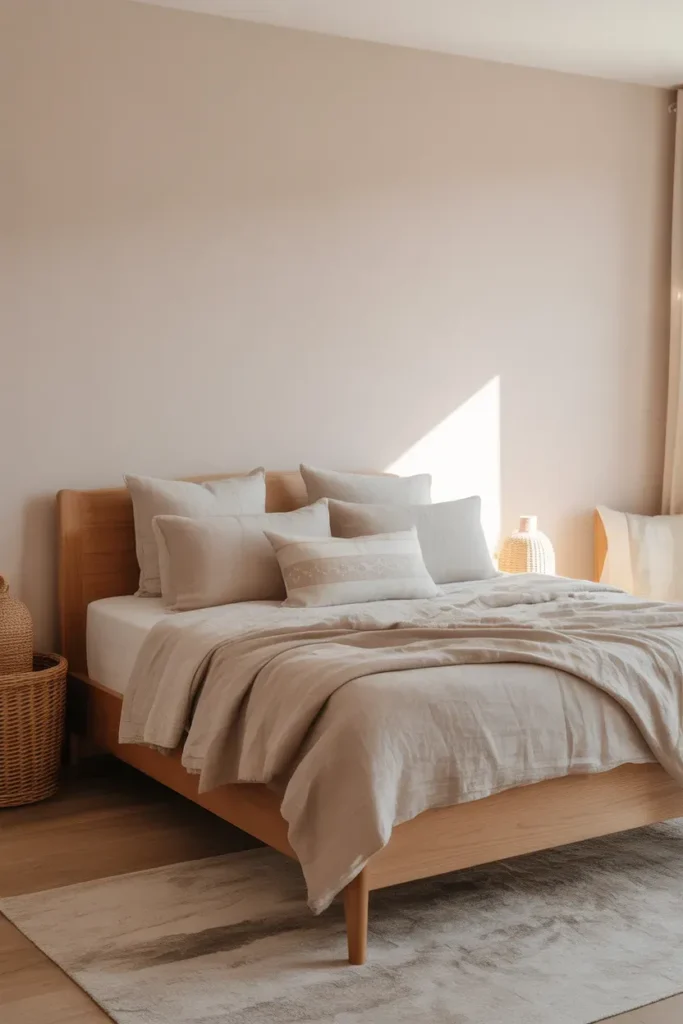
- Makes small rooms feel bigger and brighter
- Reflects natural light for an airy atmosphere
- Works with almost any furniture style
- Creates a calming, cohesive aesthetic
- Complements neutral, pastel, or warm color palettes
Choosing light wall colors is one of the simplest ways to counteract cramped bedroom design mistakes. Soft hues like pastels, creams, or warm neutrals instantly reflect light, making the space appear larger and more inviting. I’ve seen this technique work wonders in tight rooms, creating an airy backdrop that enhances furniture, textiles, and decor. Light walls also provide a versatile canvas, allowing you to change bedding or accents seasonally without clashing. This approach ensures that even small bedrooms feel carefully designed, stylish, and bright—a key Pinterest-worthy transformation.
Dark or overly bold walls are a frequent design mistake in compact spaces, making rooms feel closed-in and heavy. I’ve noticed that switching to light tones opens up the room visually and balances layered textures like linen bedding or woven rugs. Pairing soft wall colors with strategic lighting and minimal clutter creates a serene, Pinterest-ready bedroom. It’s a practical, aesthetic upgrade that transforms small spaces into airy, functional retreats without expensive renovations, helping homeowners avoid the pitfalls of heavy, space-shrinking designs.
Also view: 21 Cozy Reading Nook Ideas for Window Seat Style
7. Wall-Mounted Lighting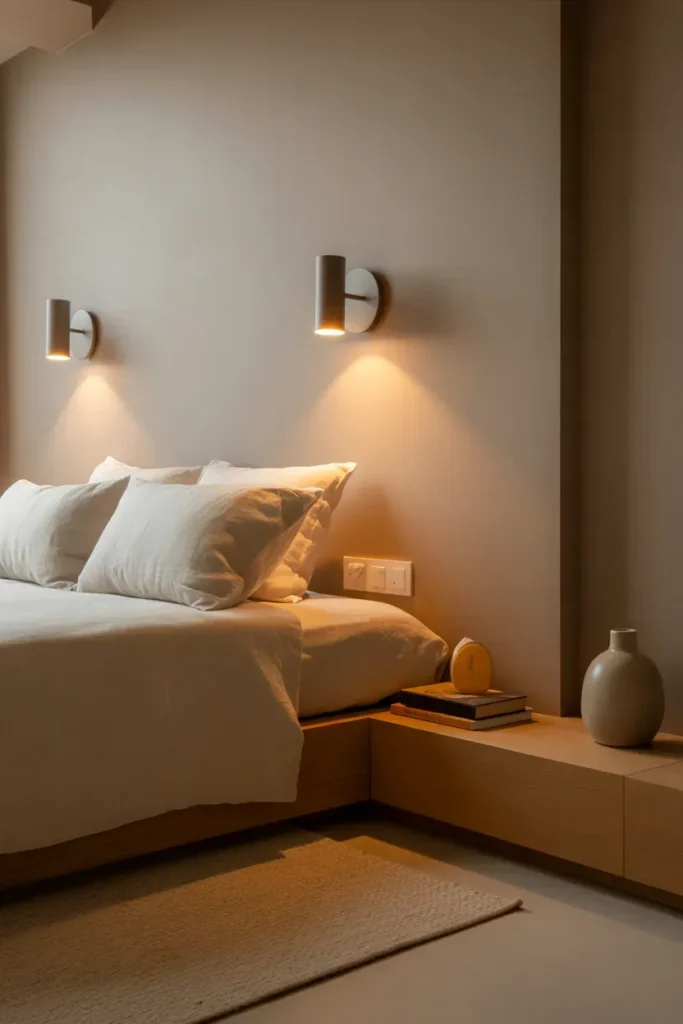
- Frees up nightstand space instantly
- Creates a clean and modern bedroom layout
- Adds soft layered lighting for ambiance
- Ideal for compact bedrooms with limited surfaces
- Works beautifully with minimalist or modern styles
Wall-mounted lighting can completely transform a tight bedroom layout. Instead of bulky table lamps taking up valuable surface space, sconces mounted on the wall provide focused lighting while keeping the nightstand area open. I’ve noticed this works especially well in compact bedrooms where every inch matters. With the light positioned above or beside the bed, the room feels more streamlined and intentional. It also creates a cozy reading atmosphere without cluttering the furniture. This small adjustment often makes a bedroom look professionally designed and more spacious.
Another common issue in small spaces is overcrowded surfaces filled with lamps, chargers, and decor. Wall-mounted lighting eliminates that problem while adding a sophisticated design element. In my experience, adjustable sconces are especially practical because they direct light exactly where you need it. Pairing them with neutral bedding, natural textures, and subtle wall art creates a balanced, stylish look. The lighting becomes part of the room’s architecture rather than just another object sitting on furniture, which makes the entire space feel more open, organized, and thoughtfully styled.
8. Low Platform Beds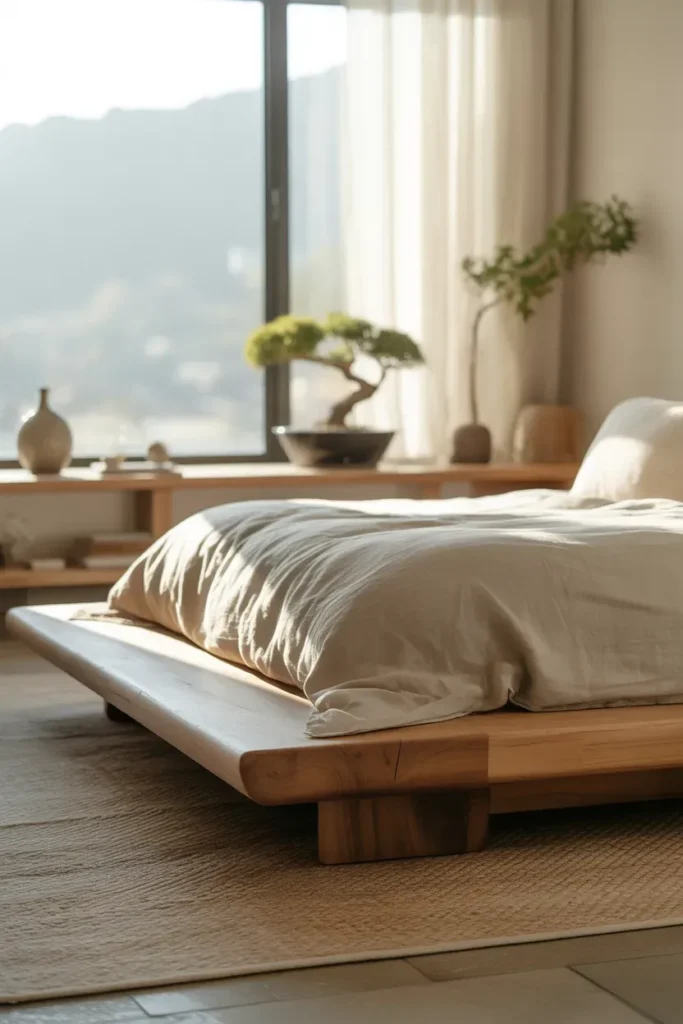
- Creates the illusion of higher ceilings
- Makes the room feel more open and spacious
- Perfect for minimalist or Japandi aesthetics
- Keeps visual weight low in the room
- Enhances calm and relaxing bedroom vibes
Low platform beds are one of the most effective ways to visually expand a small bedroom. By keeping the bed closer to the floor, the ceiling instantly appears higher and the room feels more open. I’ve seen this approach work beautifully in compact apartments where traditional tall bed frames make the room feel crowded. The lower profile creates a calming visual flow and emphasizes simplicity. Combined with soft textiles and neutral colors, the bed becomes a grounding focal point without overpowering the space, making the bedroom feel peaceful and intentionally designed.
One frequent layout problem is using furniture that feels too bulky for the room. Low platform beds solve that issue by reducing visual heaviness. In my experience, they pair perfectly with minimalist decor and natural materials like wood, linen, and woven rugs. This style keeps the environment calm and uncluttered while still looking stylish. When combined with good lighting and subtle wall decor, the entire room begins to feel balanced and airy. The result is a small bedroom that feels thoughtfully styled rather than cramped or overfilled.
9. Large Area Rugs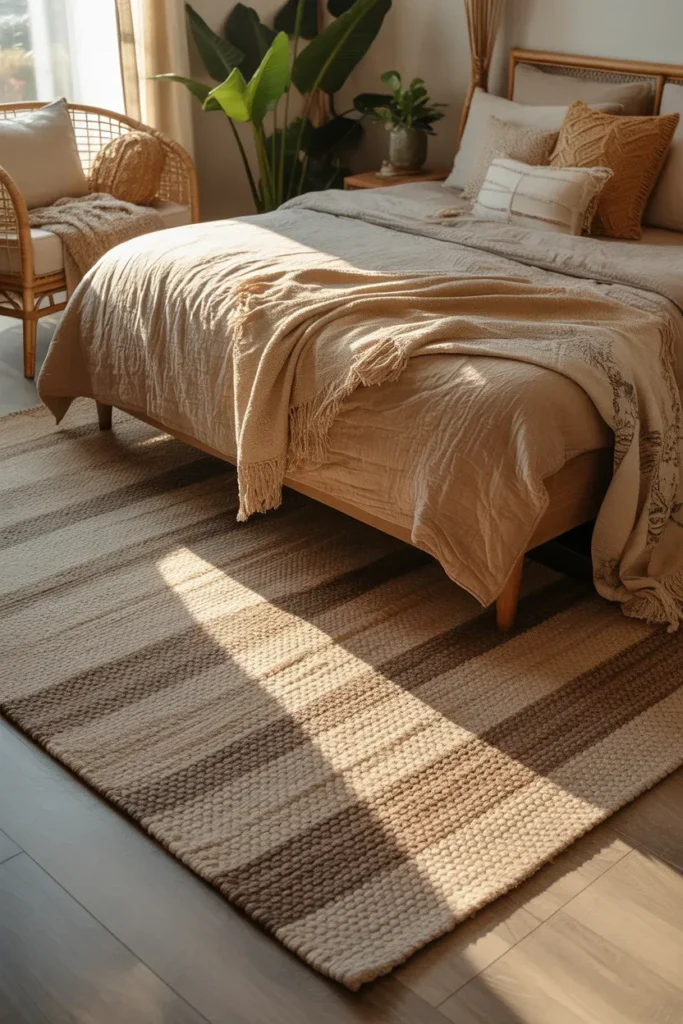
- Defines the bedroom layout clearly
- Makes the room feel larger and cohesive
- Adds warmth and texture to the space
- Prevents the room from feeling fragmented
- Creates a soft and cozy atmosphere
Many small bedrooms feel disjointed because the rug is too small or missing entirely. A large area rug anchors the bed and connects all the furniture visually. I’ve noticed that when the rug extends beyond the bed on multiple sides, the room suddenly feels larger and more balanced. The floor becomes one cohesive visual element rather than broken sections. This trick also adds warmth and texture, making the space feel comfortable and welcoming while improving the overall design harmony.
Choosing the right rug size helps avoid one of the most common bedroom design mistakes. Small rugs can make furniture look disconnected and awkwardly placed. In my experience, a properly sized rug acts like a frame for the entire bedroom layout. It ties together the bed, nightstands, and surrounding decor. Soft textures like wool or woven cotton also enhance comfort underfoot. When paired with layered bedding and subtle lighting, the rug transforms the room into a cozy, well-designed retreat that looks polished and Pinterest-ready.
10. Sliding Closet Doors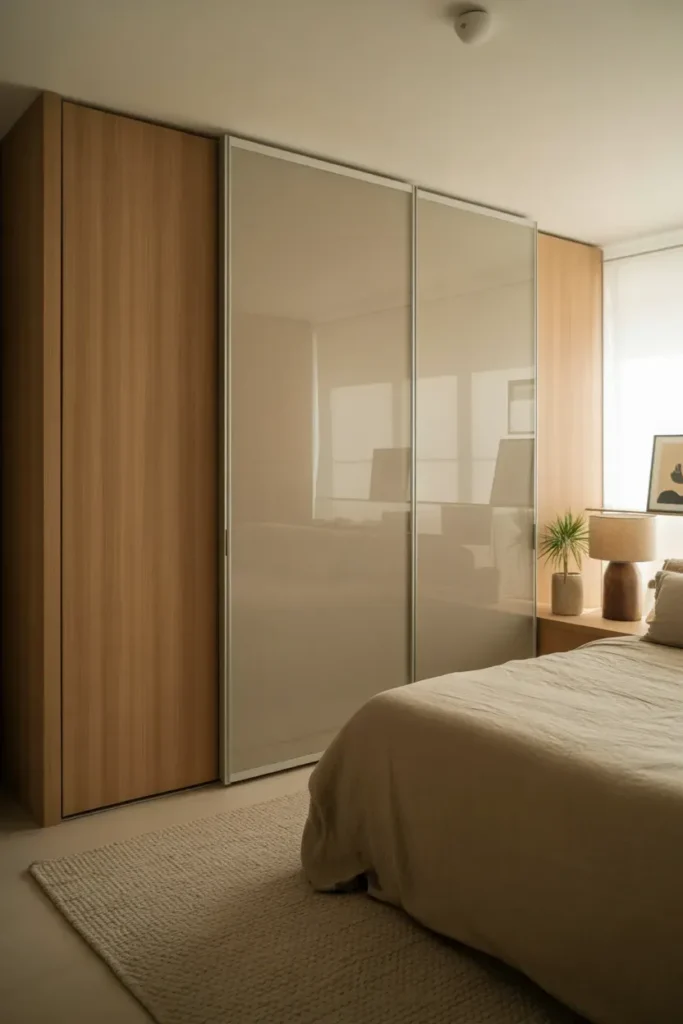
- Saves space compared to traditional swing doors
- Keeps walkways clear in compact bedrooms
- Adds a sleek and modern design element
- Works well in minimalist and contemporary interiors
- Creates a smoother, clutter-free layout
Traditional closet doors can take up surprising amounts of space when they swing open. Sliding closet doors solve this problem by moving horizontally, allowing the room layout to stay open and efficient. I’ve seen this work especially well in small bedrooms where every inch of floor space matters. The design feels sleek and modern while improving daily functionality. With the right materials like wood, glass, or matte finishes, sliding doors can also become a subtle design feature that blends beautifully with the rest of the room.
Another common layout issue in tight bedrooms is blocked pathways around furniture. Sliding closet doors remove that obstacle completely. In my experience, they make the entire room feel more streamlined and easier to move around in. Pairing these doors with neutral colors, clean lines, and simple decor keeps the space calm and organized. This design choice not only improves practicality but also contributes to a polished, Pinterest-worthy bedroom that feels modern, efficient, and visually balanced.
11. Under-Bed Storage Baskets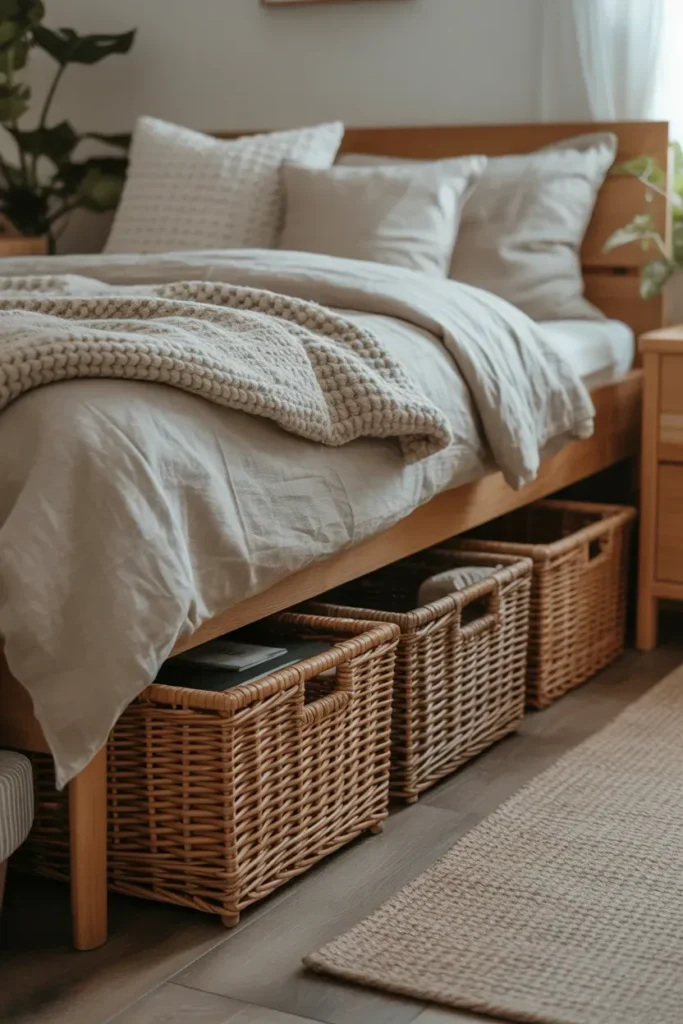
- Uses hidden space efficiently
- Keeps seasonal items organized
- Reduces visible clutter in the room
- Adds natural texture with woven baskets
- Perfect for small bedrooms needing extra storage
Under-bed storage is one of the most overlooked solutions in compact bedrooms. Instead of letting that space collect dust, adding baskets or storage bins instantly increases organization. I’ve noticed this works beautifully for storing extra blankets, seasonal clothing, or spare pillows. The best part is that everything stays accessible yet visually hidden. When woven baskets or fabric bins are used, they also add texture and warmth to the room’s design. It’s a simple solution that keeps the bedroom tidy without adding bulky furniture.
Many small bedrooms struggle with visible clutter, which makes the space feel cramped. Using the area under the bed prevents that problem while keeping essentials nearby. In my experience, choosing matching baskets or neutral storage bins creates a more cohesive look. It also encourages better organization because everything has a designated place. When combined with clean bedding and minimal decor, this setup keeps the room feeling calm and spacious. It’s a practical design trick that quietly improves both functionality and visual harmony.
12. Minimal Decor Styling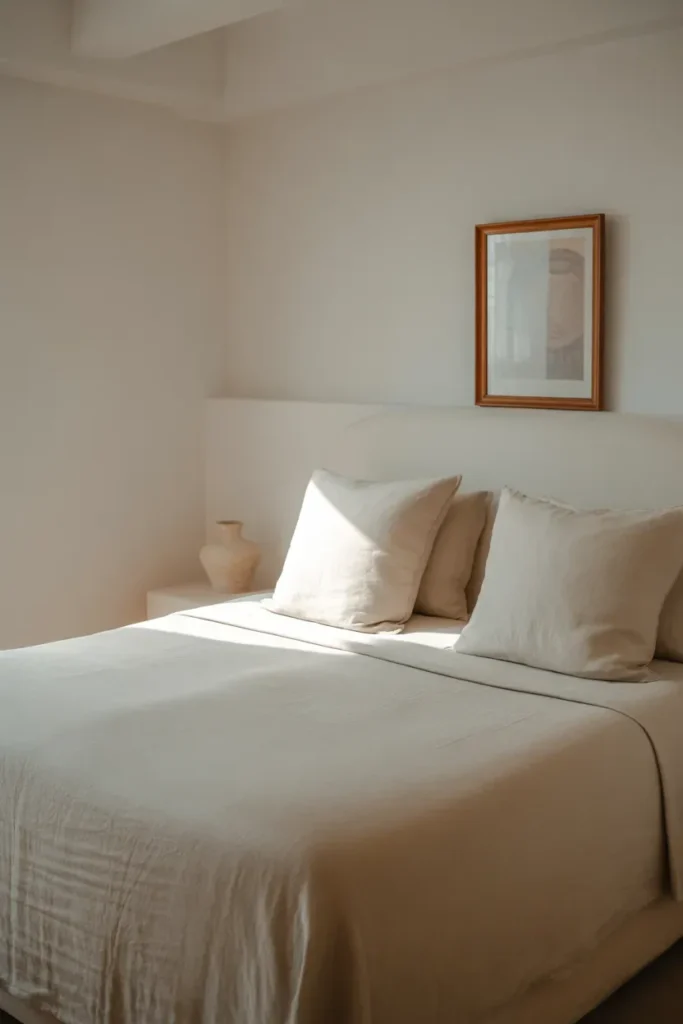
- Prevents the room from feeling overcrowded
- Highlights key furniture pieces beautifully
- Creates a calm and relaxing atmosphere
- Makes small spaces feel open and breathable
- Allows textures and materials to stand out
Overdecorating is one of the most common problems in small bedrooms. When too many objects compete for attention, the room quickly feels cluttered and overwhelming. Minimal decor styling focuses on a few carefully chosen pieces instead. I’ve noticed that even removing a handful of unnecessary items can dramatically change how spacious the room feels. By keeping surfaces clean and selecting meaningful decor like one artwork or a simple plant, the space becomes more intentional and relaxing.
Many bedroom design mistakes happen when people try to fill every corner with decoration. In reality, empty space can be just as powerful as decor. In my experience, minimal styling allows textures like linen bedding, natural wood, and soft rugs to become the visual highlights. This approach keeps the room peaceful while still feeling stylish and complete. A well-edited bedroom often looks more sophisticated and calming than one filled with too many accessories.
13. Corner Bed Layout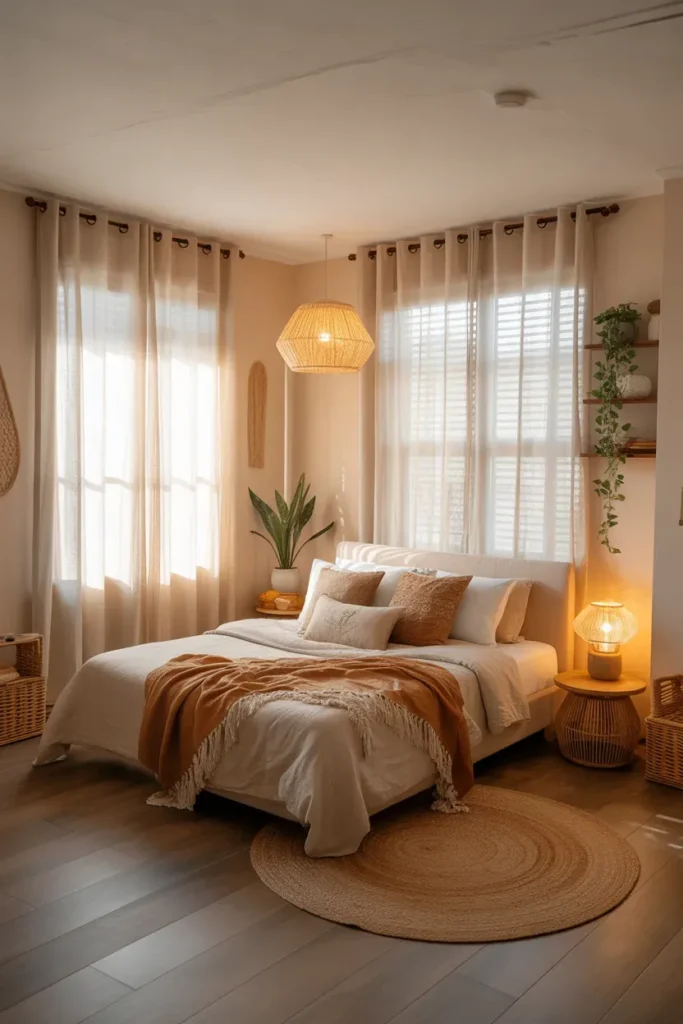
- Maximizes usable floor space
- Creates a cozy sleeping nook feeling
- Leaves more room for movement
- Ideal for very small bedrooms
- Works beautifully with layered pillows and textiles
A corner bed layout can instantly solve spacing issues in compact bedrooms. Instead of placing the bed in the center, positioning it against two walls frees up valuable floor space. I’ve noticed this layout works especially well in narrow rooms where movement around the bed is limited. The setup naturally creates a cozy sleeping nook that feels intentional and comfortable. Adding layered pillows and soft textures enhances the inviting atmosphere while keeping the room visually balanced.
Many small rooms struggle with awkward furniture placement that blocks walking space. Moving the bed into a corner can dramatically improve the flow of the room. In my experience, this layout also opens up space for other essentials like a small desk or dresser. The room becomes easier to navigate and feels less cramped overall. With thoughtful styling like soft lighting and neutral bedding, the corner bed arrangement can look both practical and aesthetically pleasing.
14. Tall Headboards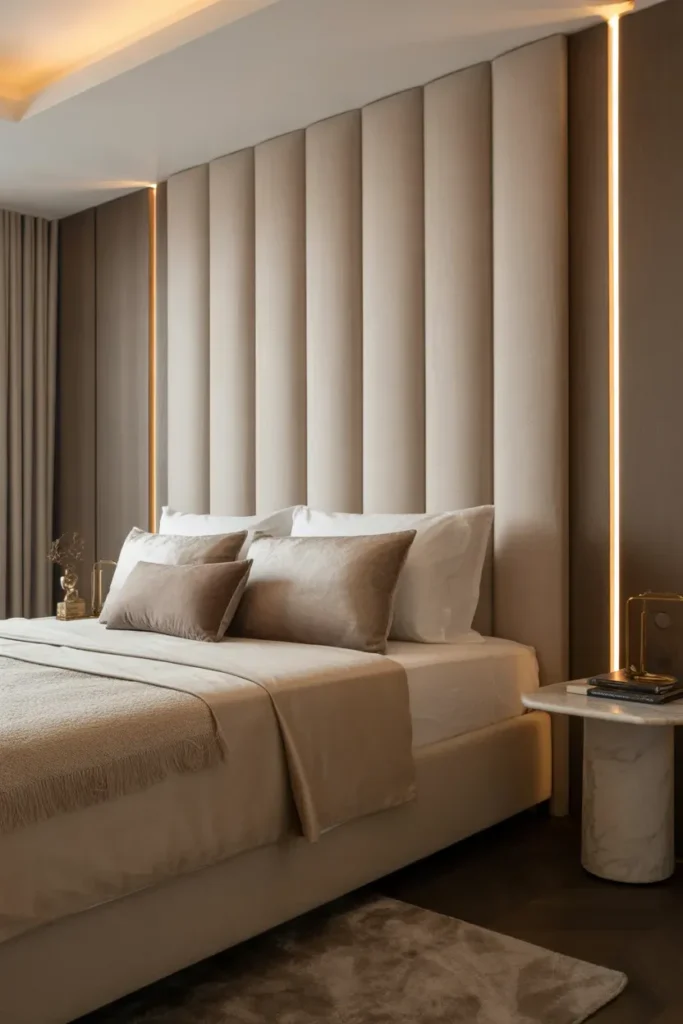
- Draws the eye upward, creating height
- Makes ceilings feel taller visually
- Adds a bold focal point without extra furniture
- Works well with luxury and modern styles
- Enhances visual drama in compact rooms
Tall headboards are a clever way to make a small bedroom feel more expansive. By extending the visual line upward, they naturally draw attention toward the ceiling. I’ve seen this design trick make even low-ceiling rooms appear taller and more dramatic. Upholstered headboards also introduce softness and texture, which makes the bed feel more luxurious. When paired with simple bedding and minimal decor, the headboard becomes a striking focal point without overcrowding the room.
One common design mistake is focusing only on horizontal space while ignoring vertical opportunities. Tall headboards help balance the room visually by emphasizing height instead of width. In my experience, neutral fabrics like linen, velvet, or suede work best because they add texture without overwhelming the room. Combined with warm lighting and soft textiles, this design feature creates a polished bedroom that feels stylish, comfortable, and thoughtfully arranged.
15. Mirror Closet Panels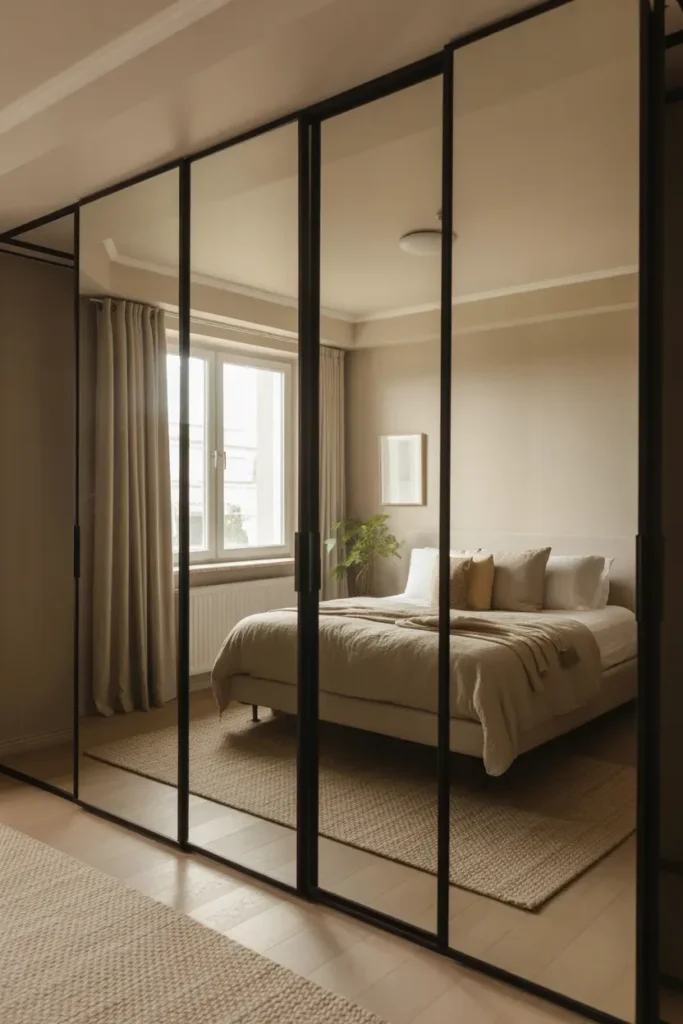
- Reflects light throughout the room
- Makes the bedroom appear larger
- Combines functionality with decor
- Eliminates need for separate mirrors
- Adds a modern, polished look
Mirror closet panels can dramatically change how spacious a bedroom feels. By reflecting light and surrounding elements, they create the illusion of a larger room. I’ve noticed this trick works especially well in smaller bedrooms where natural light is limited. The reflective surface spreads brightness throughout the space while doubling the visual depth. It also serves a practical purpose by acting as a full-length mirror without requiring additional wall space.
Another issue in compact bedrooms is limited wall area for mirrors or decor. Mirror closet panels solve that problem by combining storage and design into one feature. In my experience, they also help balance the room visually because reflections soften solid surfaces like wardrobes or cabinets. When paired with neutral colors and soft lighting, mirrored panels make the entire bedroom feel brighter, more open, and carefully styled.
16. Wall-Mounted Desks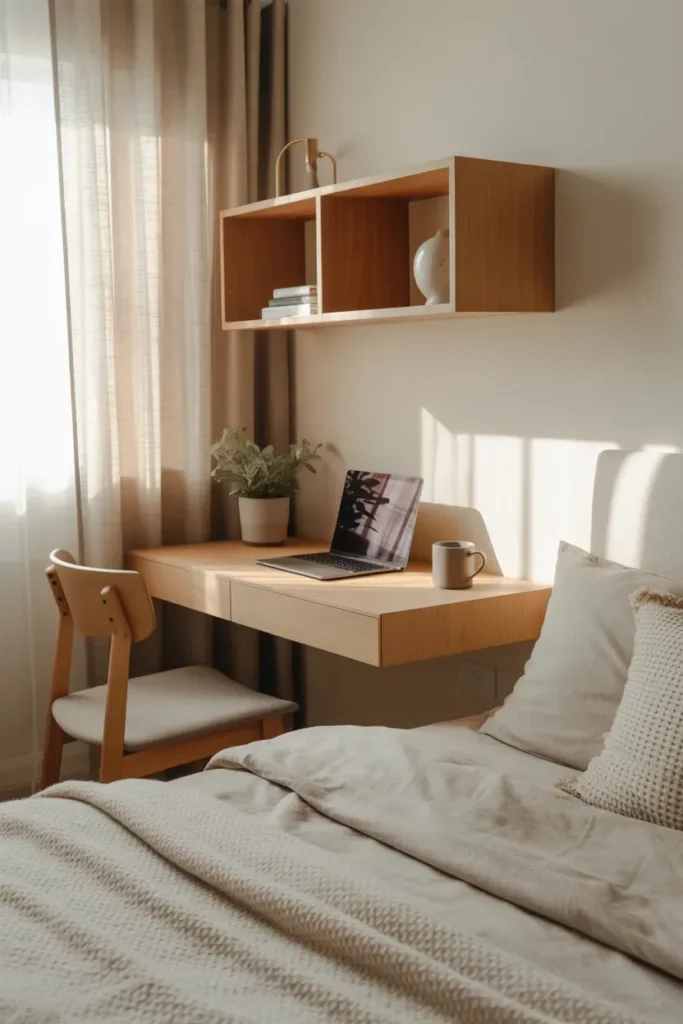
- Saves floor space in compact bedrooms
- Adds a functional workspace without bulky furniture
- Keeps the room visually open and organized
- Perfect for small apartments or studio rooms
- Blends well with minimalist or Scandinavian styles
Many small bedrooms need a workspace but simply don’t have room for a full desk setup. Wall-mounted desks provide a smart solution by attaching directly to the wall and leaving the floor clear. I’ve noticed this works particularly well in compact apartments where flexibility is essential. The design feels light and modern while still offering a practical surface for work, reading, or writing. When paired with floating shelves and simple decor, the desk blends seamlessly into the room rather than dominating the layout.
Another common bedroom design mistake is adding furniture that feels too heavy for the space. A wall-mounted desk avoids that issue completely. In my experience, these desks keep the room feeling open while still providing everyday functionality. Choosing natural materials like light wood or matte finishes helps maintain a calm aesthetic. With minimal accessories such as a plant or lamp, the setup becomes both stylish and practical, turning even a small bedroom corner into a productive and attractive workspace.
17. Layered Lighting Setup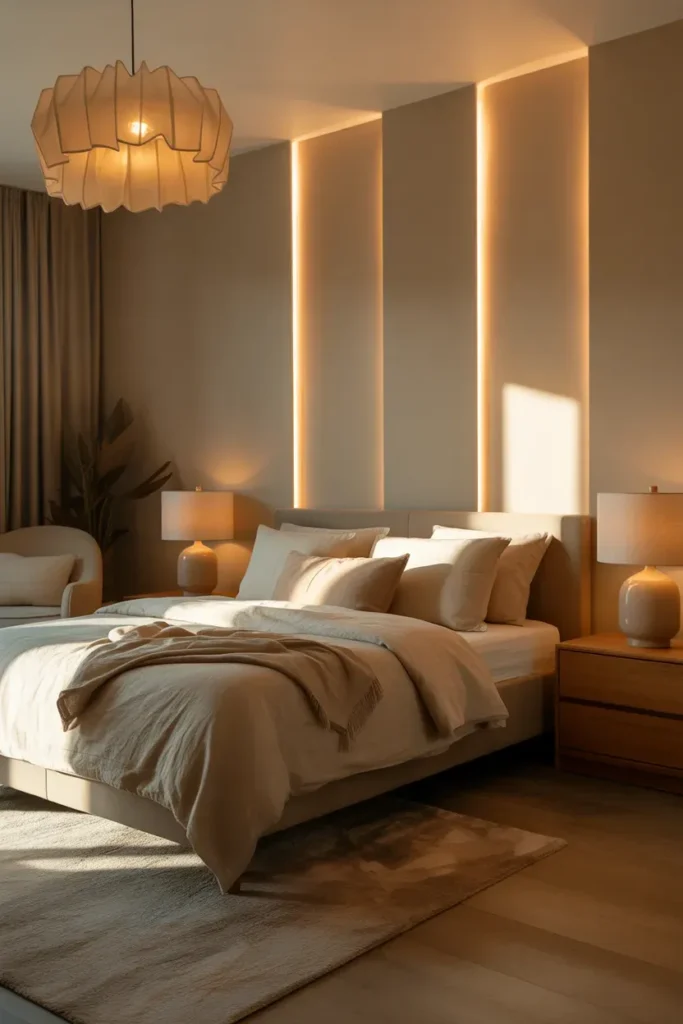
- Creates depth and warmth in small rooms
- Improves both function and atmosphere
- Highlights textures and decor beautifully
- Allows flexible lighting throughout the day
- Makes the bedroom feel cozy and inviting
Lighting has a huge impact on how a bedroom feels, yet it’s often overlooked in small spaces. Instead of relying on a single overhead light, layered lighting combines multiple sources to create a balanced atmosphere. I’ve noticed that when bedside lamps, wall lights, and ambient lighting work together, the room feels far more comfortable and visually interesting. The layers soften shadows and highlight textures like bedding, rugs, and curtains, making the space feel richer and more inviting.
A common design mistake is using harsh lighting that flattens the room’s appearance. Layered lighting avoids this by adding warmth and dimension. In my experience, combining warm-toned bulbs with different fixtures creates a relaxing nighttime environment while still providing practical brightness when needed. This approach makes a small bedroom feel thoughtfully designed and cozy. It also enhances the overall mood, turning the space into a calm retreat rather than just a place to sleep.
18. Hidden Storage Ottomans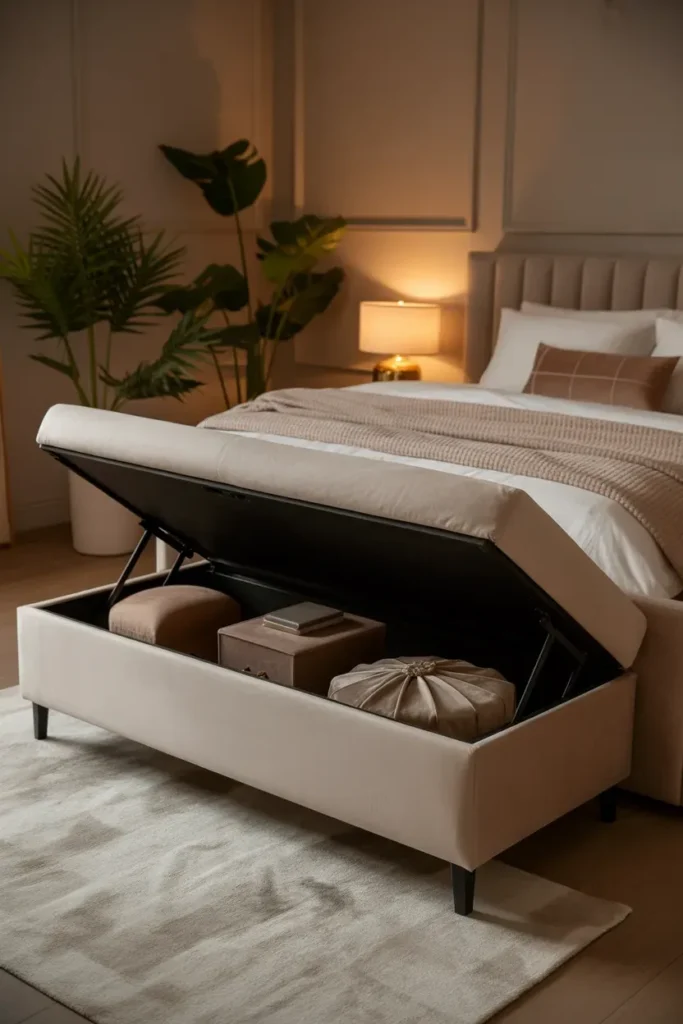
- Provides hidden storage for extra items
- Adds seating at the foot of the bed
- Keeps the bedroom clutter-free
- Enhances comfort and functionality
- Works well in modern or cozy interiors
Hidden storage ottomans are a practical solution for bedrooms that need extra storage without adding large furniture pieces. Placed at the foot of the bed, they serve multiple purposes at once. I’ve seen this work wonderfully for storing blankets, pillows, or seasonal clothing while keeping the room tidy. The upholstered design also adds softness and comfort to the space, making the bedroom feel more inviting and layered.
Many small bedrooms suffer from visible clutter that makes the room feel chaotic. Storage ottomans solve that problem by hiding items neatly out of sight. In my experience, they also make the room feel more complete because they add a finishing touch to the bed area. Choosing a fabric that complements the bedding or rug helps tie the entire design together. This simple piece of furniture combines style and function, making the bedroom feel both organized and comfortable.
19. Balanced Furniture Spacing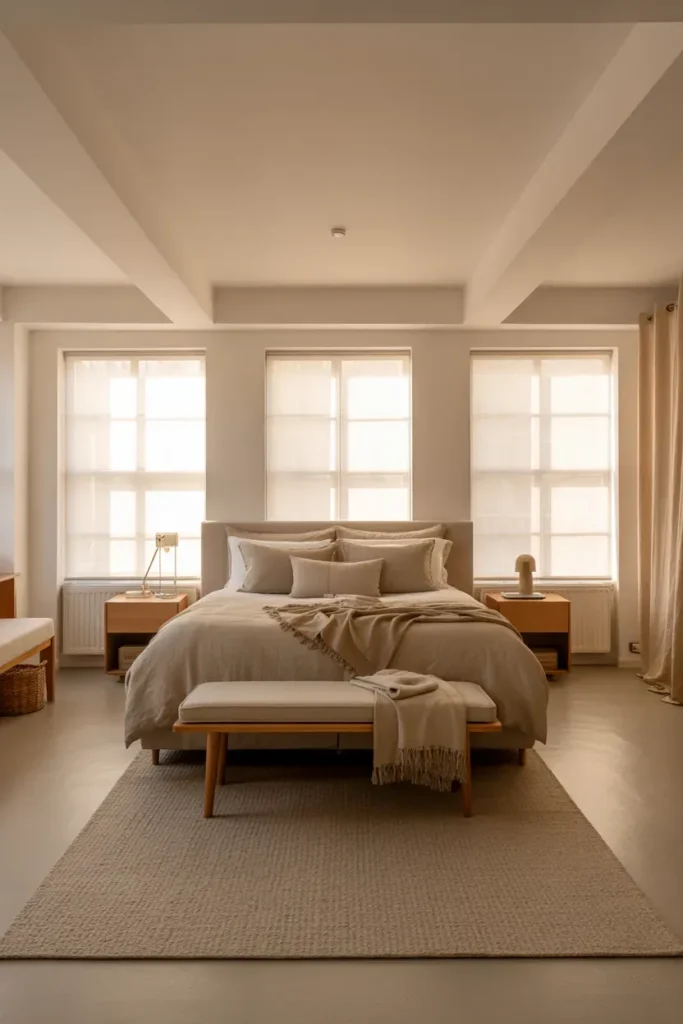
- Improves movement throughout the room
- Prevents the space from feeling crowded
- Creates a visually balanced layout
- Helps highlight important furniture pieces
- Makes the bedroom feel calm and organized
Balanced furniture spacing is one of the most important factors in small bedroom design. When furniture is placed too closely together, the room quickly feels cramped and uncomfortable. I’ve noticed that even small adjustments in spacing can dramatically improve how the room functions. Leaving clear walkways and breathing room around the bed allows the layout to feel more natural and comfortable. The space becomes easier to move through and visually more relaxing.
One of the most common bedroom design mistakes is trying to fit too many pieces into a limited space. In my experience, removing or repositioning just one item can instantly make the room feel larger. Balanced spacing allows each piece of furniture to stand out while maintaining harmony in the layout. When the room has proper flow and proportion, it feels thoughtfully designed rather than overcrowded, creating a peaceful bedroom that looks polished and inviting.
Conclusion
Designing a beautiful small bedroom is less about size and more about smart choices. By avoiding common Bedroom Design Mistakes, you can turn a tight space into a calm, stylish retreat that feels open and welcoming.
Simple updates like better lighting, smarter storage, and thoughtful furniture placement can completely change how a room looks and feels. I’ve seen how small adjustments like these can transform an ordinary bedroom into a space that feels cozy, balanced, and intentionally designed.
If you found these ideas helpful, save this guide on Pinterest so you can revisit it later. Try one or two ideas in your own space, and share this article with someone who might be struggling with a small bedroom layout. A few smart changes can make a surprisingly big difference.