17 Kids Room Design Ideas for Functional Play Spaces
Designing a space that’s fun, organized, and practical can feel overwhelming—but the right Kids Room Design Ideas can completely transform how a room works and feels. A well-designed kids room isn’t just about looks, it’s about making everyday life easier.
This article is all about smart, creative ways to turn any kids room into a functional play space that supports both activity and relaxation. From clever storage to flexible layouts, each idea helps solve real challenges parents face. I’ve noticed that when a room is organized with purpose, kids naturally enjoy it more. These ideas will help you create a space that feels playful, tidy, and perfectly suited for daily life.
1. Zoned Play Areas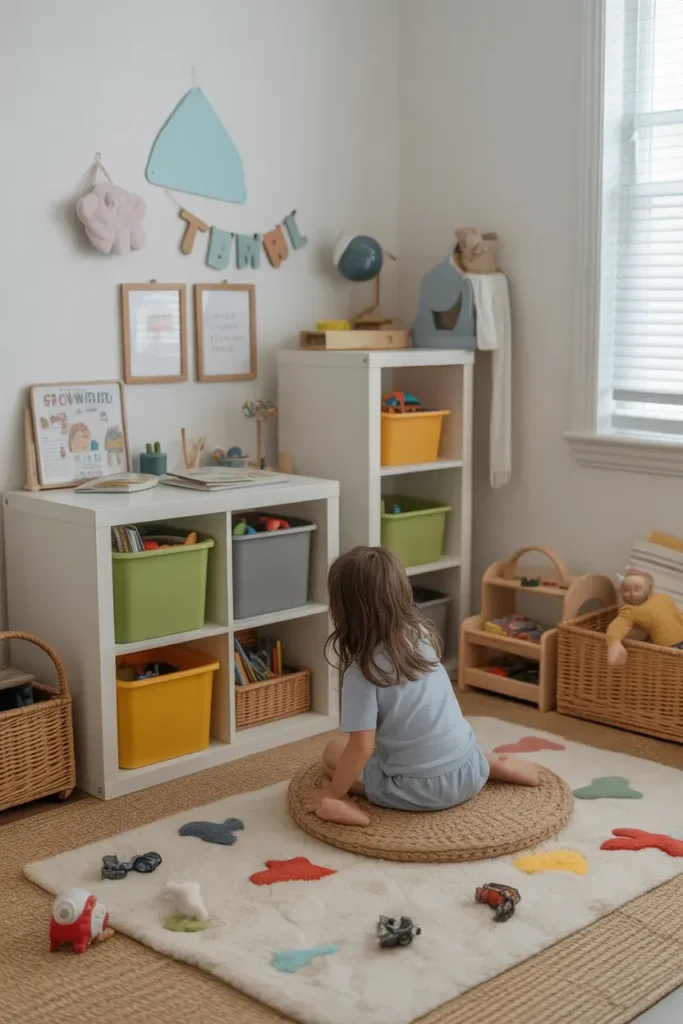
- Separates play, sleep, and study zones
- Keeps the room organized
- Helps kids focus better
- Makes daily routines easier
Creating zoned play areas can instantly make a kids room more functional by clearly dividing space for different activities. A dedicated play area keeps toys contained while leaving room for rest and study. This works especially well in shared or small rooms. I’ve noticed that defined zones help reduce clutter naturally. It’s a simple way to bring structure.
What makes this idea so effective is how it supports both play and routine without needing extra space. Instead of everything blending together, each area has purpose. That’s why many designers recommend zoning in children’s spaces. In my experience, using rugs or furniture to define zones works best. This setup transforms the room into a balanced environment that feels organized, fun, and easy to use.
2. Built-In Toy Storage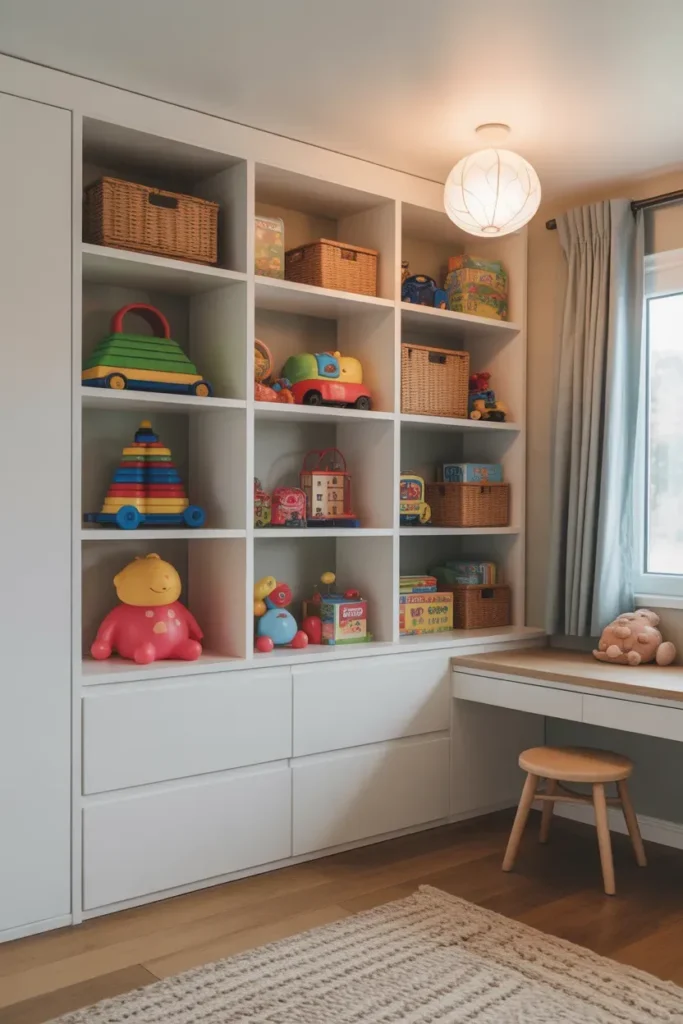
- Keeps toys neatly stored
- Reduces visual clutter
- Saves floor space
- Makes cleanup easier
Built-in toy storage can instantly improve a kids room by keeping everything organized and out of sight while maintaining a clean look. Integrated shelves and drawers make it easy for kids to access and store their toys. This works especially well in smaller spaces. I’ve seen this work well in many homes because it simplifies cleanup. It’s a practical solution.
What makes this idea so effective is how it blends storage into the design without adding bulky furniture. Instead of scattered toys, everything has a place. That’s why many designers recommend built-in options. In my experience, labeling sections helps kids stay organized. This setup transforms the room into a tidy, functional space that still feels playful and inviting.
3. Soft Play Rug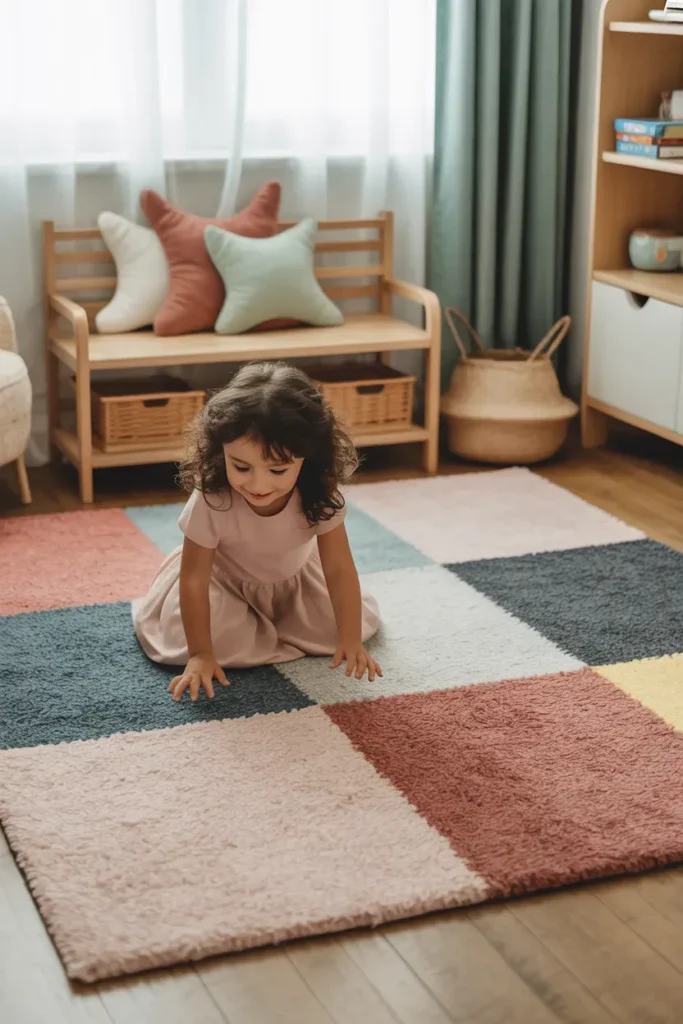
- Creates a safe play surface
- Adds comfort and warmth
- Defines play area visually
- Enhances cozy feel
A soft play rug can instantly make a kids room more comfortable by providing a safe and cushioned surface for everyday play. The plush texture adds warmth while also defining the play zone within the room. This works especially well for younger children. I’ve noticed that kids naturally gather where it feels soft. It’s both practical and inviting.
What makes this idea so effective is how it combines comfort with design. Instead of hard flooring, the space feels more welcoming and child-friendly. That’s why many designers recommend adding rugs to play areas. In my experience, choosing washable materials makes maintenance easier. This setup transforms the room into a cozy, safe environment that encourages play and relaxation.
Also view: 18 Gorgeous Wall Art Ideas for Living Room Beauty
4. Low Open Shelving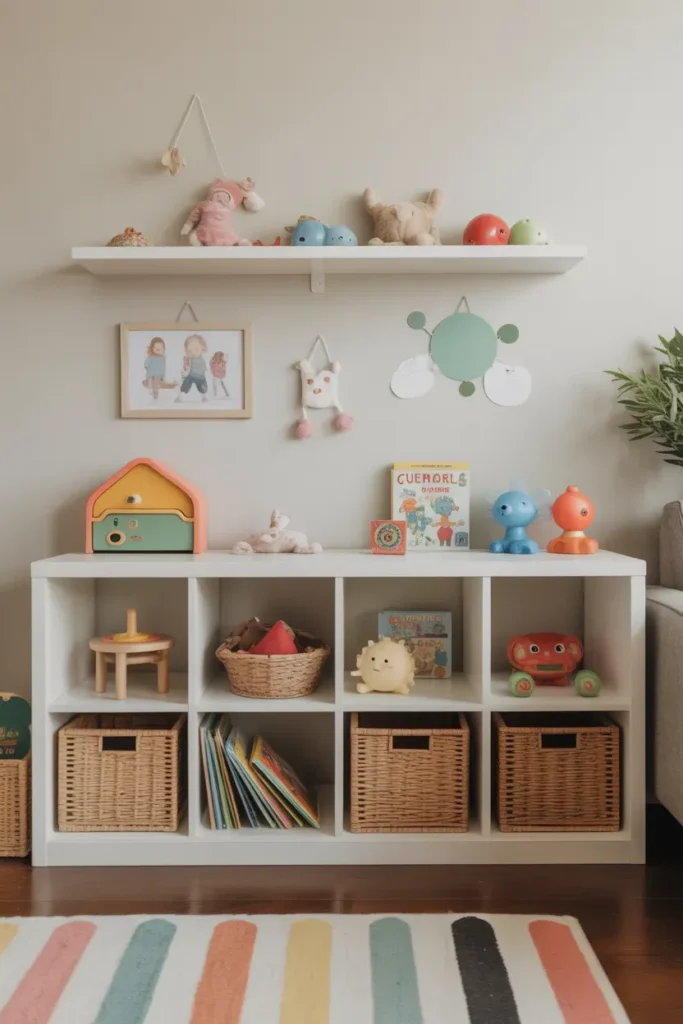
- Easy for kids to reach
- Encourages independence
- Keeps items visible
- Simplifies cleanup
Low open shelving can instantly make a kids room more functional by giving children easy access to their toys and books. When everything is within reach, kids are more likely to use and put away their items. This works especially well for younger children. I’ve noticed that accessible storage builds good habits early. It’s a simple but impactful change.
What makes this idea so effective is how it promotes independence while keeping the room organized. Instead of relying on adults, kids can manage their own space. That’s why many designers recommend child-height storage. In my experience, keeping shelves uncluttered improves usability. This setup transforms the room into a more interactive, organized environment that feels both practical and engaging.
5. Multi-Use Study Corner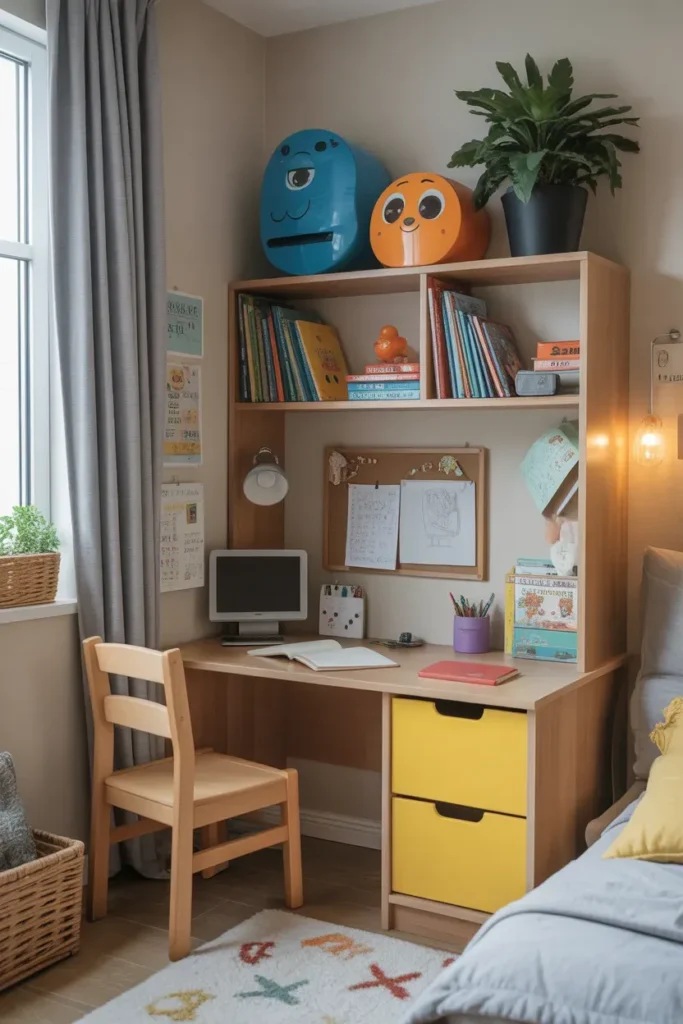
- Combines study and creative space
- Saves room space
- Keeps supplies organized
- Encourages focus
A multi-use study corner can instantly make a kids room more efficient by combining study, drawing, and creative activities into one compact area. A small desk with storage keeps everything in one place without taking up too much room. This works especially well in shared spaces. I’ve seen this work well in many homes because it creates structure. It’s a smart setup.
What makes this idea so effective is how it supports multiple activities without overcrowding the room. Instead of separate areas, everything is thoughtfully combined. That’s why many designers recommend multi-functional zones. In my experience, adding soft lighting improves focus. This setup transforms the room into a productive, organized space that still feels comfortable and creative.
6. Wall-Mounted Book Display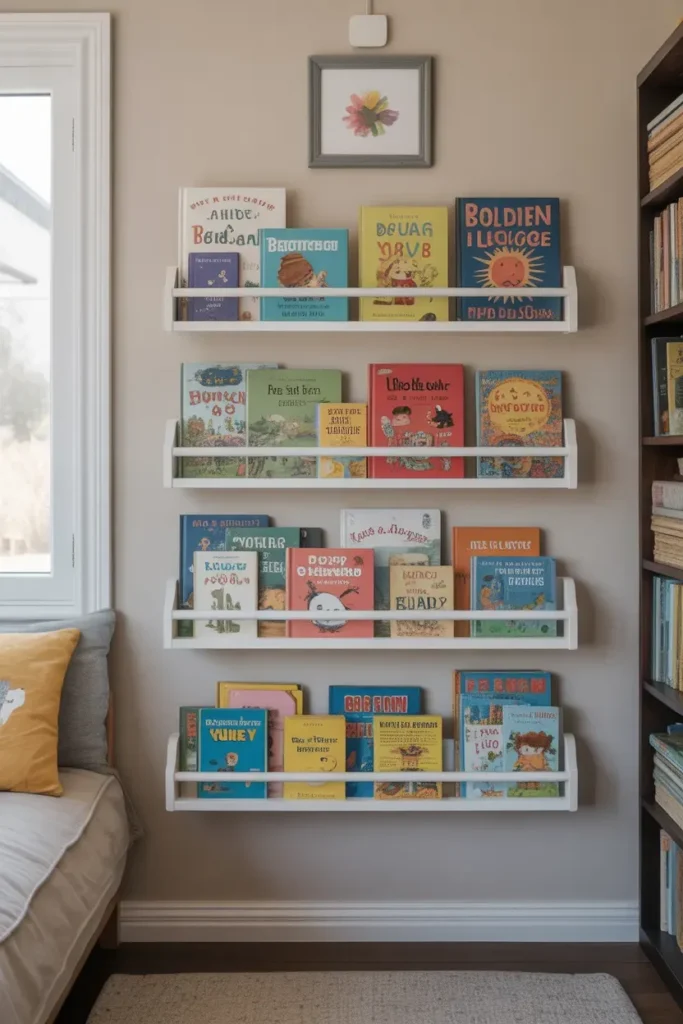
- Keeps books visible and accessible
- Adds color to walls
- Saves floor space
- Encourages reading habits
A wall-mounted book display can instantly make a kids room more engaging by turning books into part of the decor. Front-facing shelves showcase colorful covers, making it easier for children to pick what they like. This works especially well in smaller rooms. I’ve noticed that visible books encourage reading more often. It’s both decorative and functional.
What makes this idea so effective is how it uses vertical space creatively. Instead of stacking books, they become a visual feature. That’s why many designers recommend wall displays for kids’ rooms. In my experience, rotating books keeps interest fresh. This setup transforms the room into a lively, educational space that feels fun, organized, and inspiring.
7. Foldable Activity Table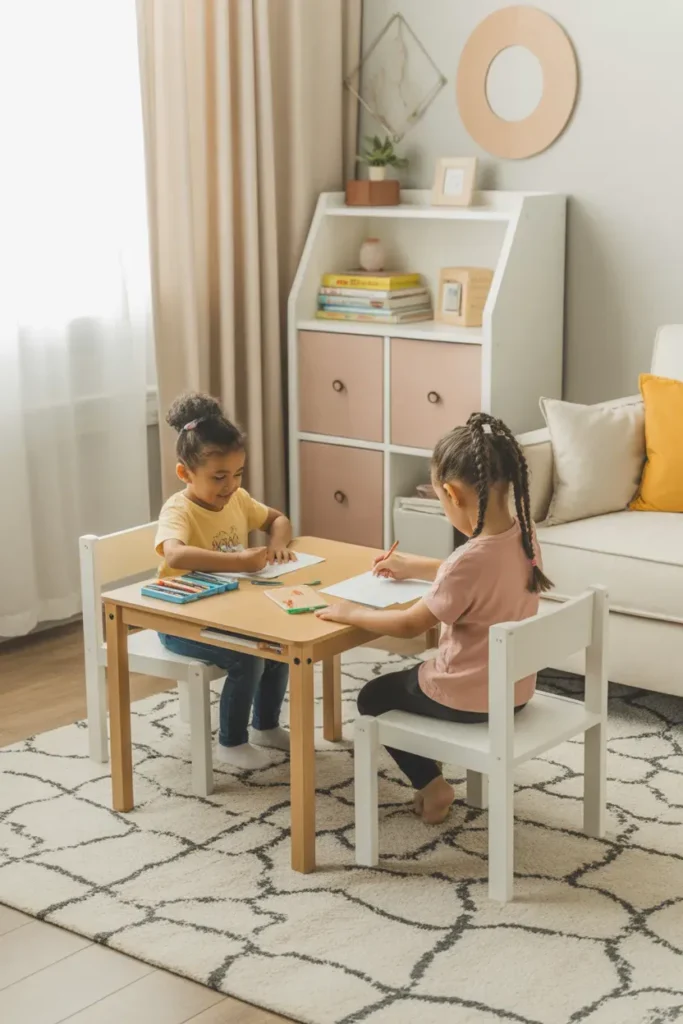
- Saves space when not in use
- Creates flexible play area
- Keeps activities organized
- Ideal for small rooms
A foldable activity table can instantly make a kids room more flexible by offering a dedicated space for drawing, crafts, or homework that can be tucked away when not needed. The fold-down design keeps the room open and uncluttered. This works especially well in compact spaces. I’ve noticed that flexible furniture makes daily routines easier. It’s a smart and adaptable solution.
What makes this idea so effective is how it combines function with space-saving design. Instead of permanent furniture, the table appears only when needed. That’s why many designers recommend foldable options for small rooms. In my experience, adding wall storage above the table improves usability. This setup transforms the room into a dynamic, organized space that adapts easily to different activities.
8. Bunk Bed Setup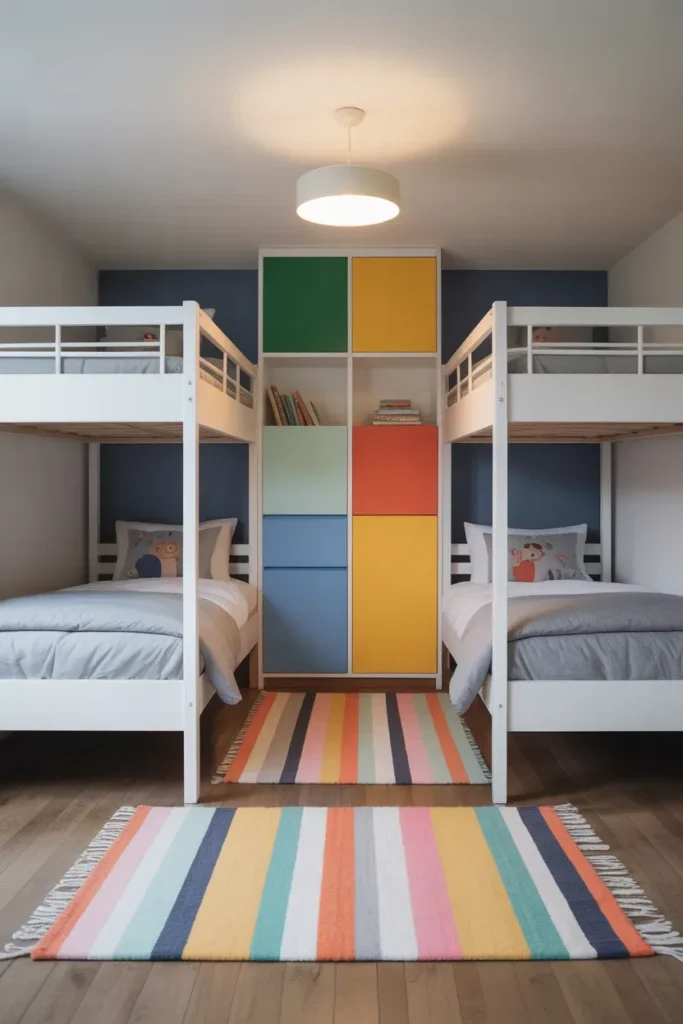
- Maximizes vertical space
- Frees up floor area
- Ideal for shared rooms
- Adds fun element
A bunk bed setup can instantly make a kids room more spacious by using vertical space for sleeping instead of spreading beds across the floor. This opens up valuable room for play and storage. It works especially well in shared bedrooms. I’ve seen this work well in many homes because it improves layout efficiency. It’s both practical and playful.
What makes this idea so effective is how it balances space-saving with fun design. Instead of just functional furniture, it becomes part of the room’s personality. That’s why many designers recommend bunk beds for compact homes. In my experience, choosing simple designs keeps it visually light. This setup transforms the room into a more open, organized space that feels enjoyable and easy to use.
9. Under-Bed Storage Drawers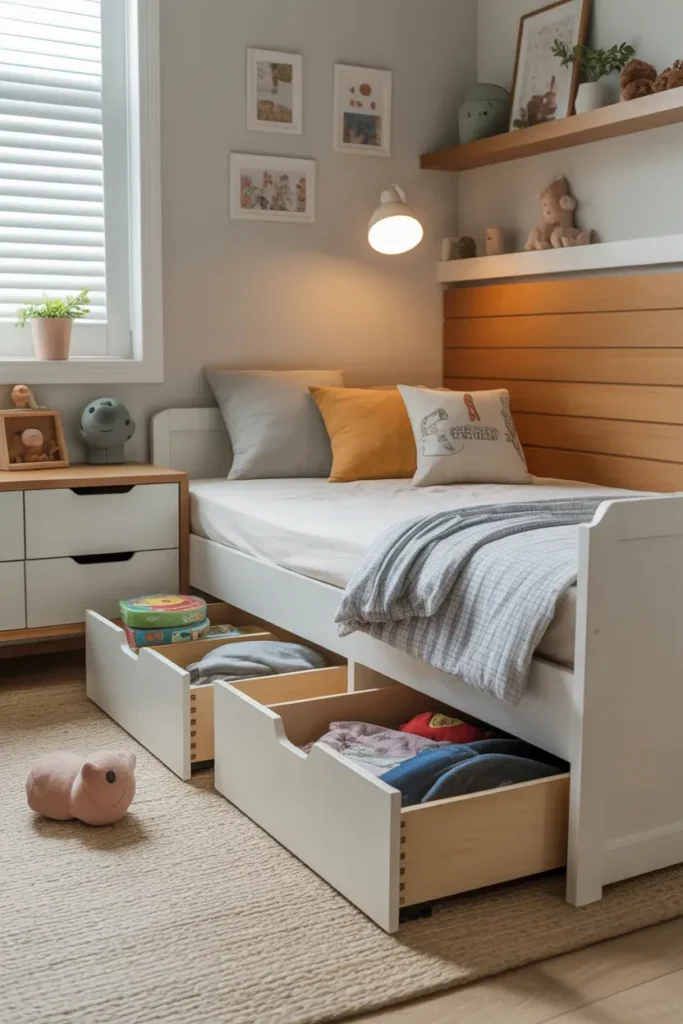
- Uses hidden space efficiently
- Keeps clutter out of sight
- Adds extra storage
- Maintains clean look
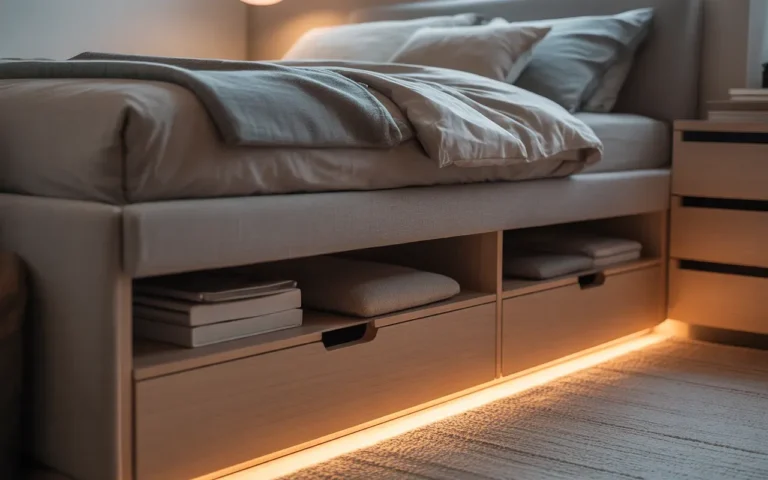
Under-bed storage drawers can instantly improve a kids room by using hidden space that often goes unused. Pull-out drawers are perfect for storing toys, clothes, or bedding without adding extra furniture. This works especially well in smaller rooms. I’ve noticed that hidden storage keeps spaces looking tidy. It’s a simple but effective upgrade.
What makes this idea so effective is how it maximizes storage without changing the room layout. Instead of adding cabinets, everything stays neatly tucked away. That’s why many designers recommend under-bed solutions. In my experience, using labeled bins improves organization. This setup transforms the room into a clutter-free space that feels clean, functional, and easy to maintain.
10. Pegboard Wall Organizer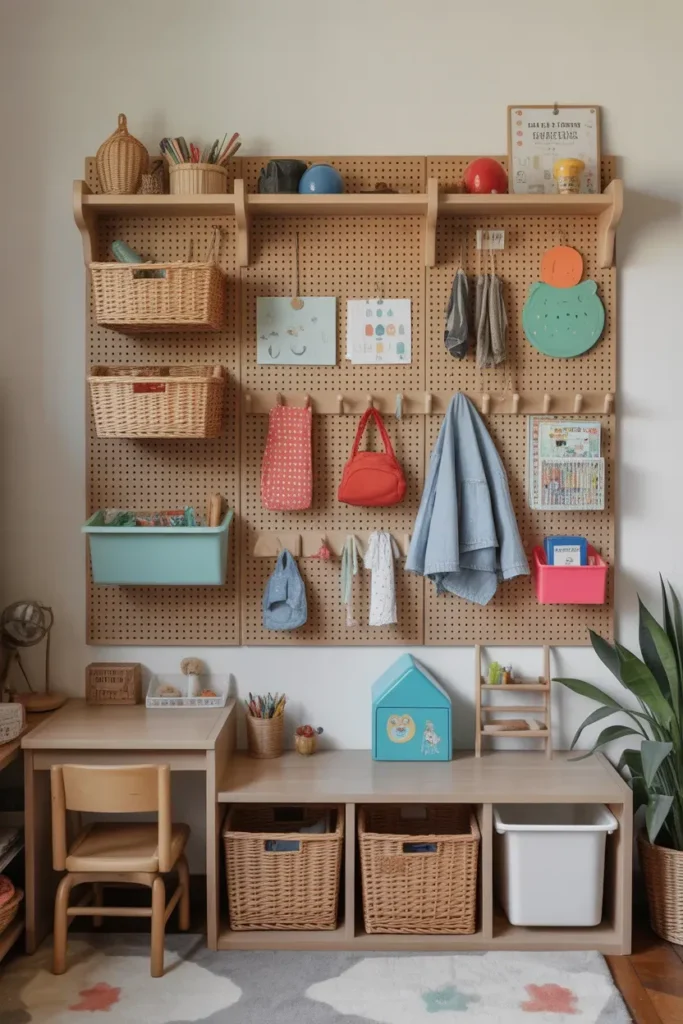
- Keeps small items organized
- Saves desk and floor space
- Easy to customize layout
- Adds playful visual interest
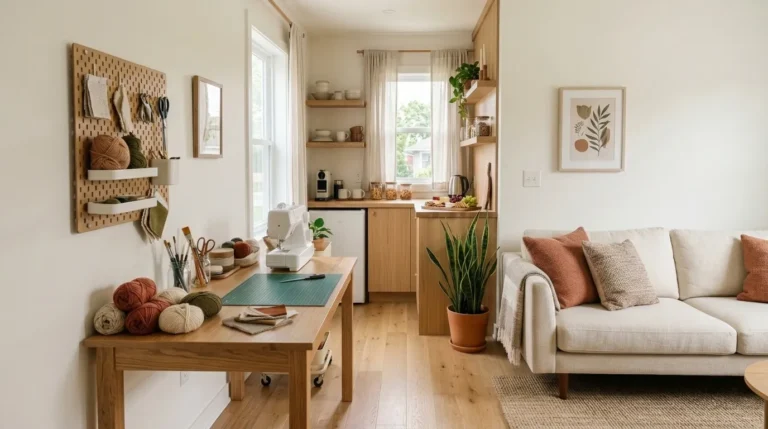
A pegboard wall organizer can instantly make a kids room more functional by turning an empty wall into a flexible storage system. Hooks, baskets, and shelves can hold art supplies, toys, or daily essentials in a neat and visible way. This works especially well in study or craft areas. I’ve noticed that customizable storage grows with kids’ needs. It’s a smart and creative solution.
What makes this idea so effective is how it adapts over time without needing a full redesign. Instead of fixed storage, everything can be rearranged easily. That’s why many designers recommend pegboards for kids’ spaces. In my experience, keeping colors simple helps avoid clutter. This setup transforms the wall into an organized, interactive area that feels fun, practical, and visually engaging.
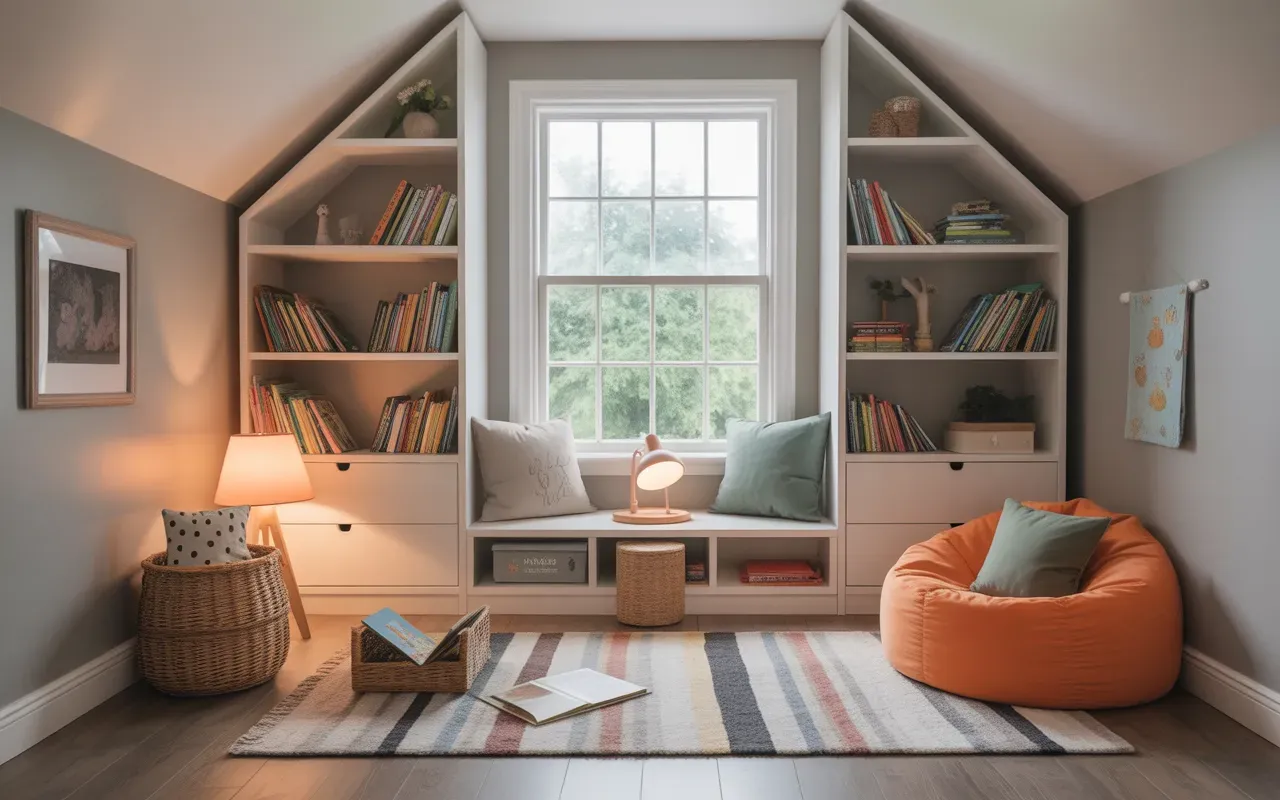
11. Cozy Reading Nook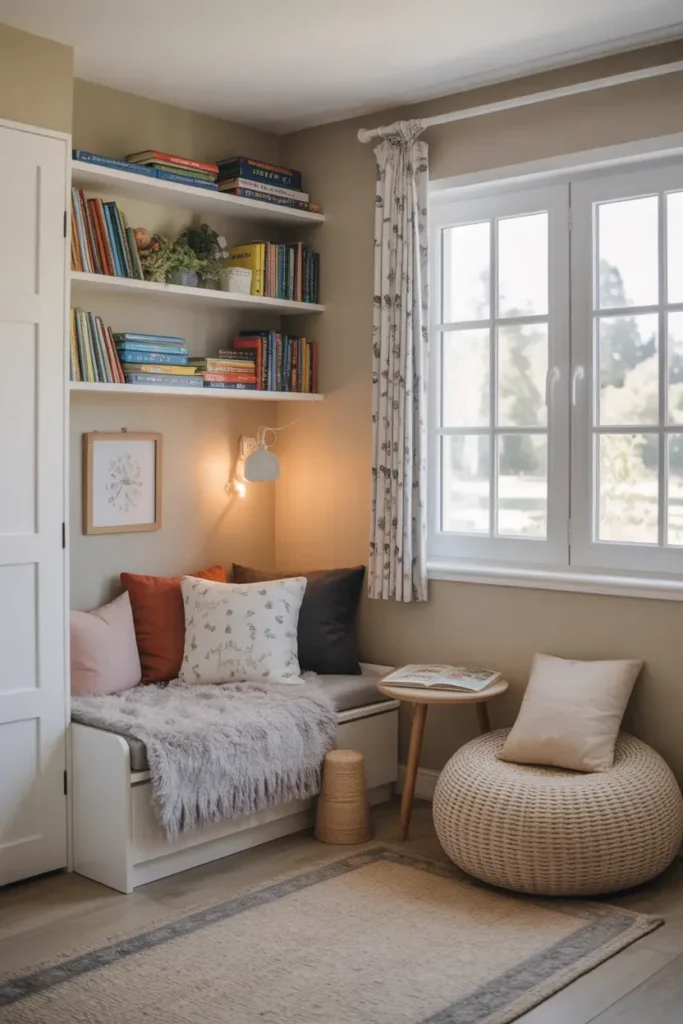
- Creates a quiet relaxation zone
- Encourages reading habits
- Adds comfort to the room
- Defines a calm corner
A cozy reading nook can instantly make a kids room feel more inviting by creating a dedicated space for quiet time and relaxation. Soft cushions, a small chair, or a bean bag make the corner comfortable and appealing. This works especially well in rooms with extra corners. I’ve seen this work well in many homes because kids enjoy having their own space. It’s both calming and functional.
What makes this idea so effective is how it balances active play with rest. Instead of one busy space, the room offers variety. That’s why many designers recommend adding calm zones in kids’ rooms. In my experience, placing it near a window improves natural light. This setup transforms the room into a more balanced environment that supports both creativity and relaxation.
12. Color-Coded Storage Bins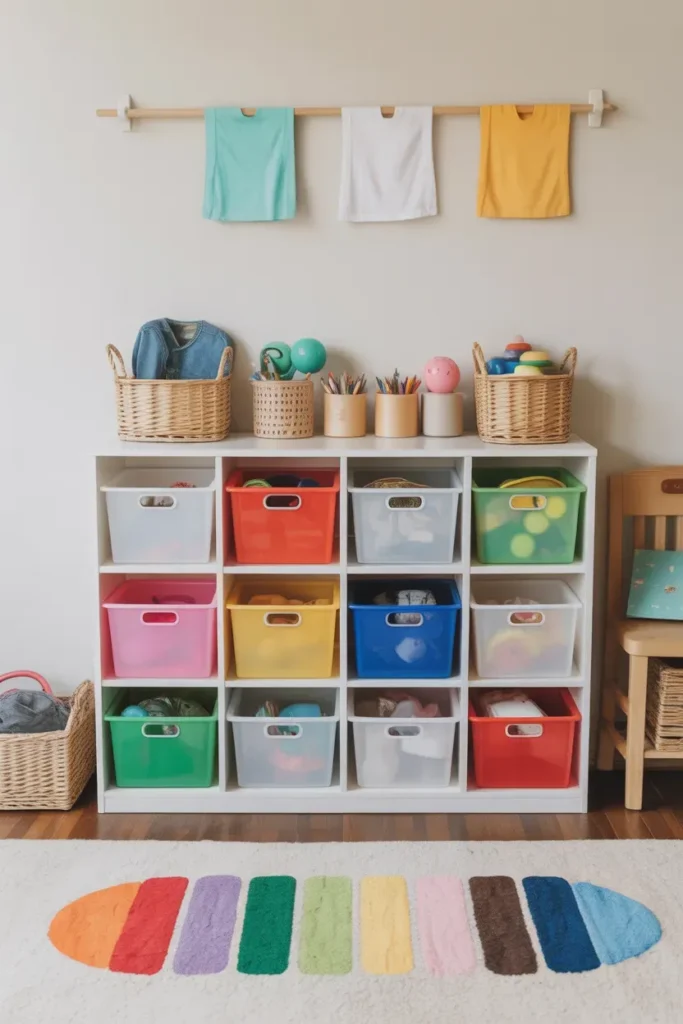
- Makes organizing easier for kids
- Adds playful color accents
- Helps categorize items clearly
- Simplifies daily cleanup
Color-coded storage bins can instantly improve a kids room by making organization simple and visually clear. Assigning colors to different categories helps children understand where items belong. This works especially well for toys, art supplies, and clothes. I’ve noticed that kids follow systems better when they’re visual. It’s a practical and fun approach.
What makes this idea so effective is how it turns organization into an easy habit. Instead of confusion, everything has a clear place. That’s why many designers recommend color systems for kids’ storage. In my experience, using soft or coordinated tones keeps the look balanced. This setup transforms the room into a tidy, playful space that feels organized and easy to maintain.
13. Chalkboard Wall Section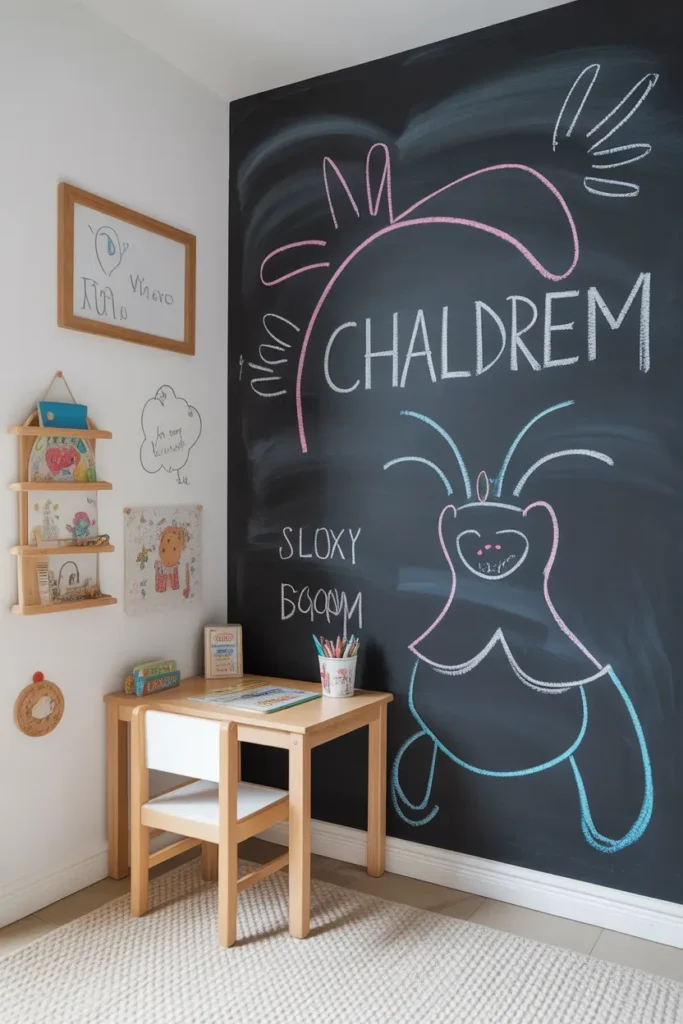
- Encourages creativity daily
- Reduces need for paper clutter
- Adds interactive wall feature
- Keeps kids engaged
A chalkboard wall section can instantly make a kids room more interactive by giving children a dedicated space to draw, write, and express creativity freely. It turns an ordinary wall into a fun, usable surface. This works especially well in play zones or study corners. I’ve noticed that kids love having a space just for them. It’s both playful and practical.
What makes this idea so effective is how it combines creativity with functionality. Instead of scattered drawings, everything stays in one place. That’s why many designers recommend chalkboard walls for kids’ rooms. In my experience, framing the section keeps it visually neat. This setup transforms the room into a lively, creative environment that feels engaging and easy to maintain.
14. Modular Storage Cubes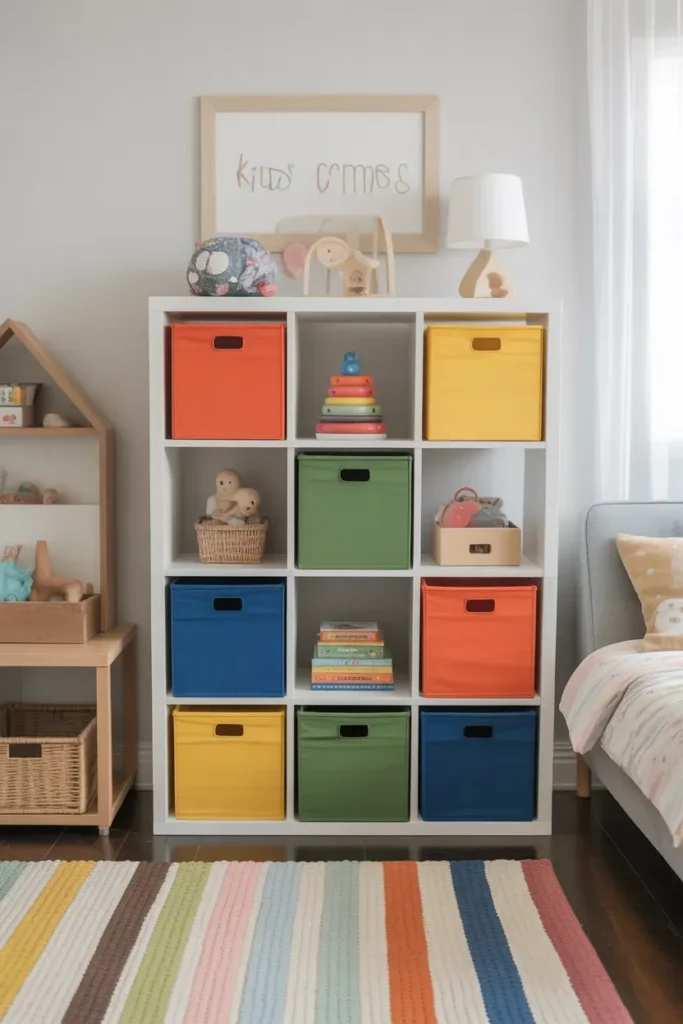
- Easy to rearrange and expand
- Keeps storage flexible
- Works for growing needs
- Maintains organized look
Modular storage cubes can instantly improve a kids room by offering flexible storage that can be rearranged as needs change. Stackable cubes make it easy to adjust layout over time. This works especially well as children grow and require different storage solutions. I’ve seen this work well in many homes because it adapts easily. It’s a long-term solution.
What makes this idea so effective is how it evolves with the room instead of needing replacement. Instead of fixed storage, the layout stays adjustable. That’s why many designers recommend modular furniture for kids. In my experience, combining open and closed cubes works best. This setup transforms the room into a practical, organized space that feels adaptable and visually clean.
15. Hanging Canopy Corner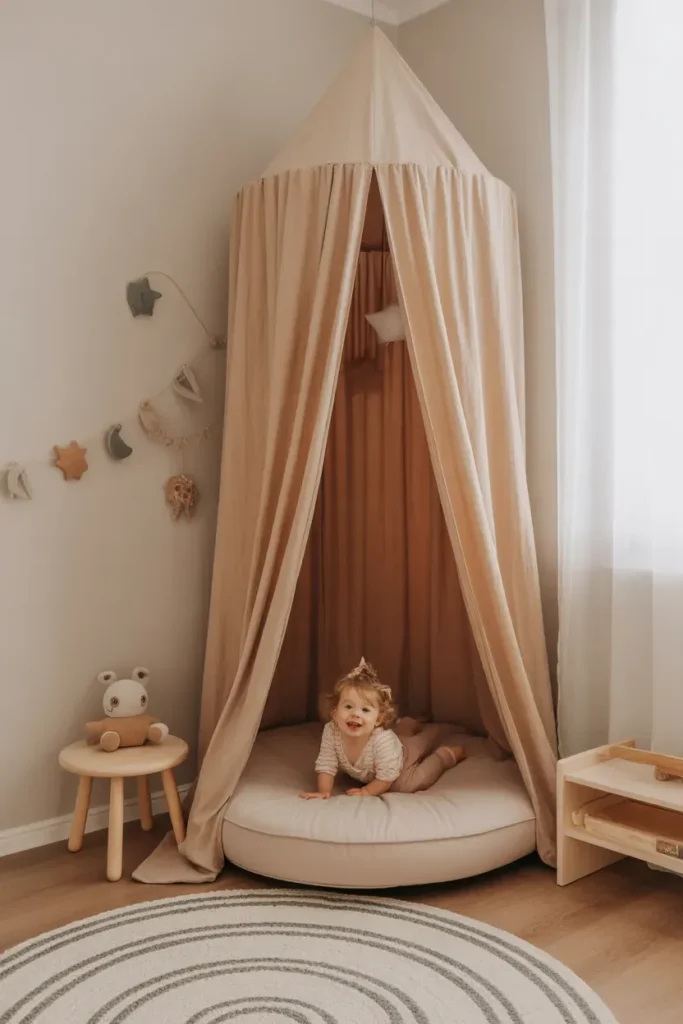
- Creates a playful hideaway
- Adds softness to the room
- Defines a cozy corner
- Encourages imaginative play
A hanging canopy corner can instantly make a kids room feel magical by creating a cozy and playful hideaway within the space. Soft fabric draped over a corner adds texture and warmth while giving kids a sense of their own special spot. This works especially well for younger children. I’ve noticed that cozy corners become favorite spots. It’s a charming addition.
What makes this idea so effective is how it blends comfort with imagination. Instead of a plain corner, it becomes a mini retreat. That’s why many designers recommend soft layered elements for kids’ rooms. In my experience, adding cushions enhances comfort. This setup transforms the room into a playful, relaxing space that feels inviting and full of personality.
16. Wall Decal Feature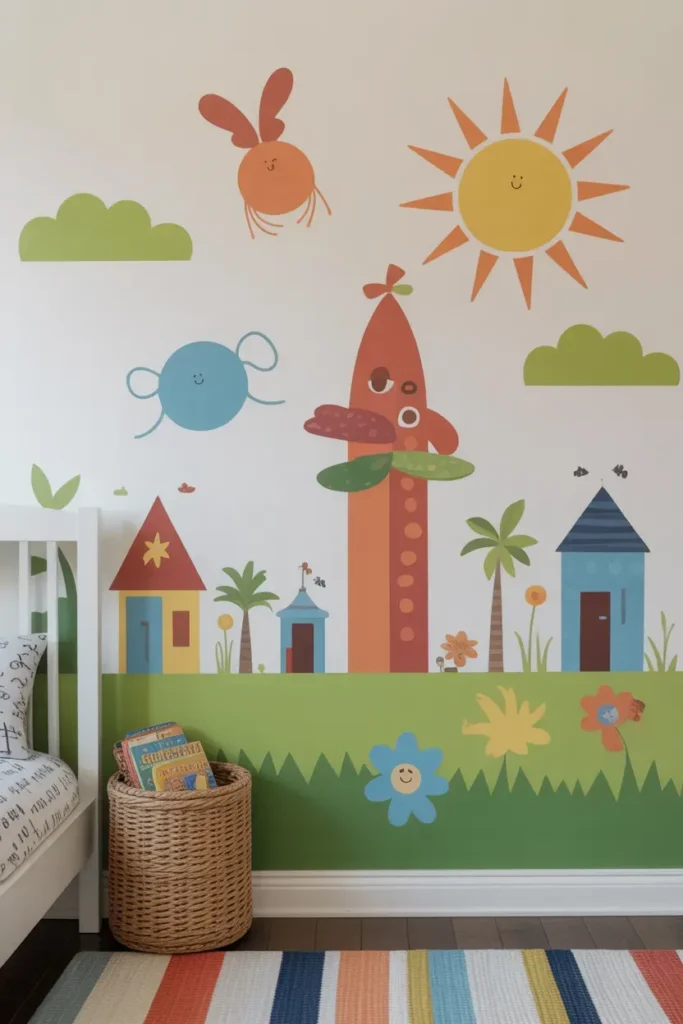
- Adds personality without paint
- Easy to change over time
- Keeps walls clean and fun
- Budget-friendly upgrade
A wall decal feature can instantly transform a kids room by adding playful personality without committing to permanent paint or wallpaper. Removable decals make it easy to update the design as kids grow. This works especially well in rental homes. I’ve noticed that flexible decor options save time and effort. It’s a simple and creative solution.
What makes this idea so effective is how it allows change without hassle. Instead of repainting, the design can evolve quickly. That’s why many designers recommend decals for kids’ spaces. In my experience, choosing a cohesive theme improves the look. This setup transforms the room into a lively, personalized environment that feels fun, modern, and easy to update.
17. Soft Neutral Base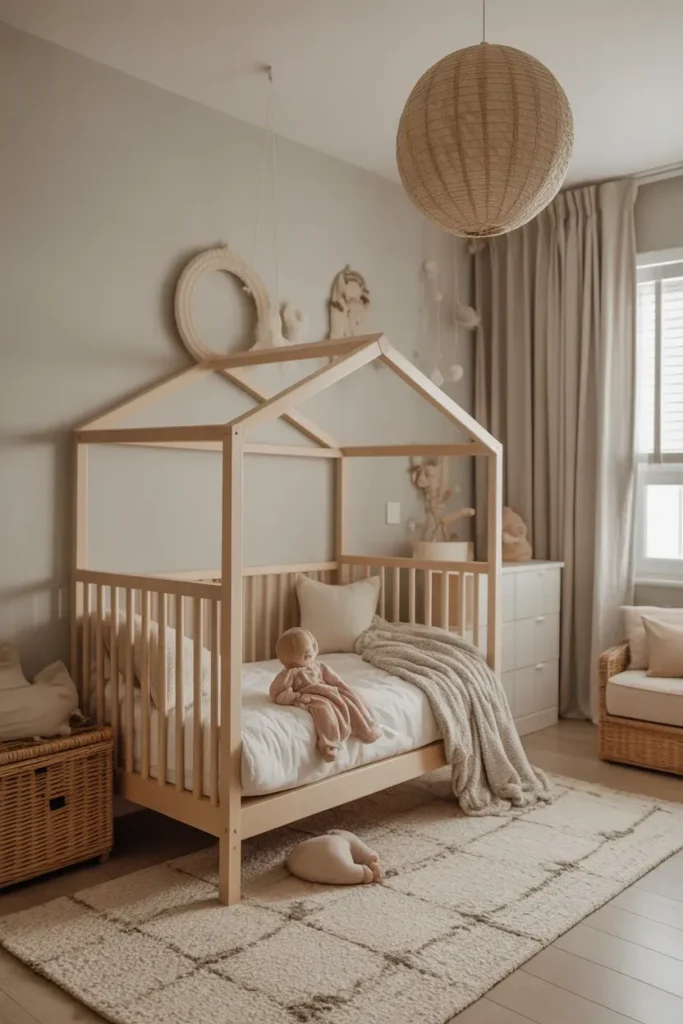
- Keeps room feeling calm
- Makes space look bigger
- Works with colorful accents
- Easy to update decor
A soft neutral base can instantly make a kids room feel more open and balanced by creating a calm background for play and rest. Light tones like white, beige, or soft gray help reflect light and keep the space airy. This works especially well in smaller rooms. I’ve seen this work well in many homes because it feels timeless. It’s a reliable design choice.
What makes this idea so effective is how it allows flexibility with decor. Instead of committing to bold colors, accents can be changed easily. That’s why many designers recommend neutral foundations. In my experience, adding small pops of color keeps the room playful. This setup transforms the space into a bright, adaptable environment that feels both relaxing and fun.
Conclusion
Creating a functional and fun space doesn’t have to be complicated. These Kids Room Design Ideas show how simple changes can turn any room into a place that supports play, creativity, and organization all at once. I’ve seen how thoughtful design can make daily routines smoother for both kids and parents.
Now it’s your turn to bring these ideas to life. Save this post on Pinterest, try a few ideas in your child’s room, and share it with someone looking for inspiration. Start small, stay creative, and build a space that feels joyful, practical, and truly made for everyday play.