17 Bedroom Lighting Ideas for Older Adults That Improve Visibility and Safety
Getting up at night should never feel risky, yet a dark bedroom is where many avoidable falls begin. Brighter, smarter Bedroom Lighting Ideas change that, because aging eyes need more light and react slowly to sudden darkness. A few planned upgrades remove shadows from walkways, corners, and the path to the bathroom. In my experience, the biggest relief comes from lights that switch on by themselves, so nobody searches for a switch at 2 a.m. Each idea below focuses on clear visibility, gentle brightness without glare, and simple controls that stiff or arthritic hands can manage easily. Small changes here protect independence and confidence every night.
1. Motion Sensor Night Lights
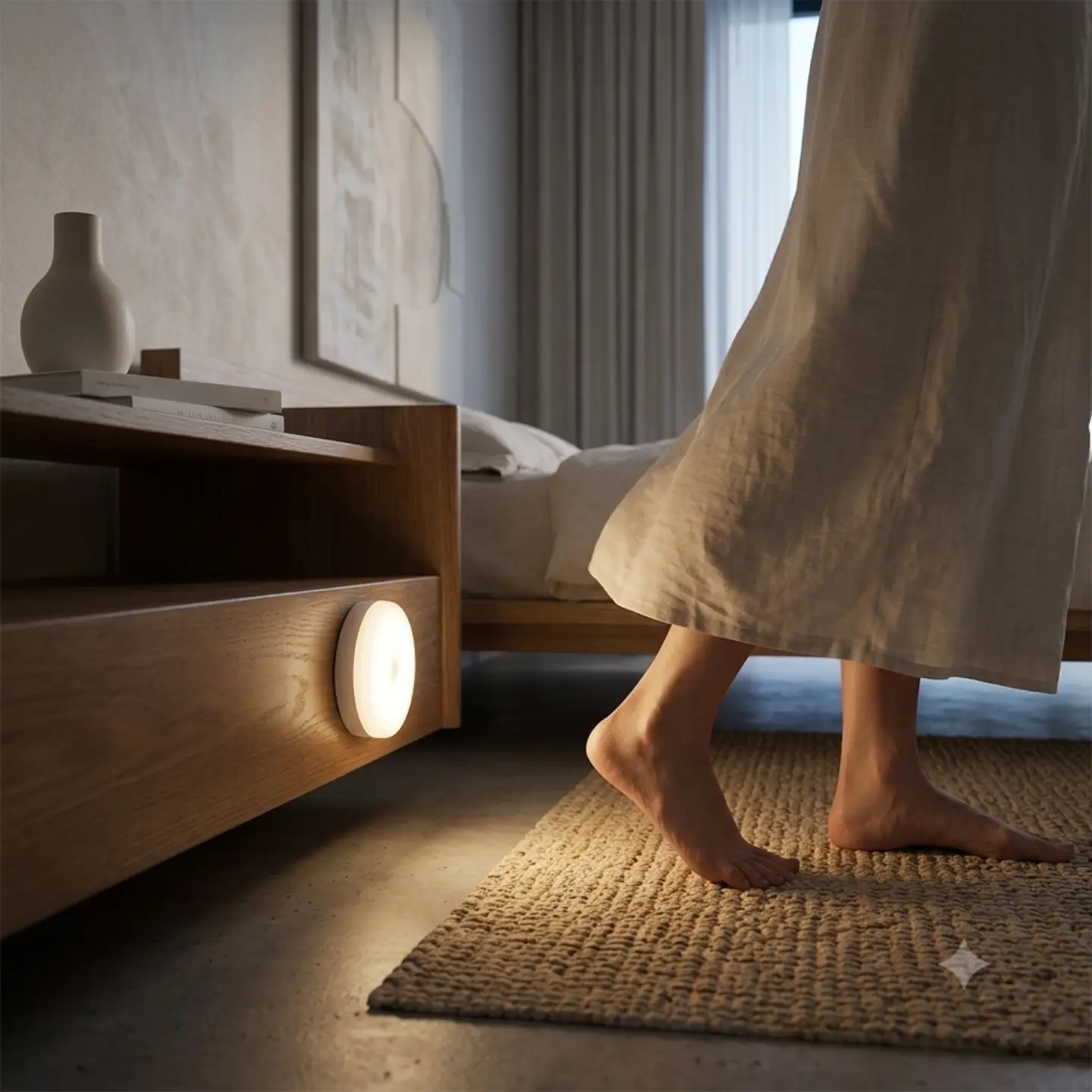
Image credit: @_decordrop_
Half asleep trips to the bathroom cause more bedroom falls than almost anything else. Motion sensor night lights remove the danger at its source: they switch on the moment feet move, light the floor clearly, and fade off again once the room is empty. No fumbling for switches, no dark gap between bed and door.
Place one beside the bed, one outside the bathroom door, and one near any hallway corner. I’ve seen this small chain of light calm a lot of night time anxiety in older relatives. Choose warm white models so the glow feels gentle on sleepy eyes.
2. Under Bed Glow Lights
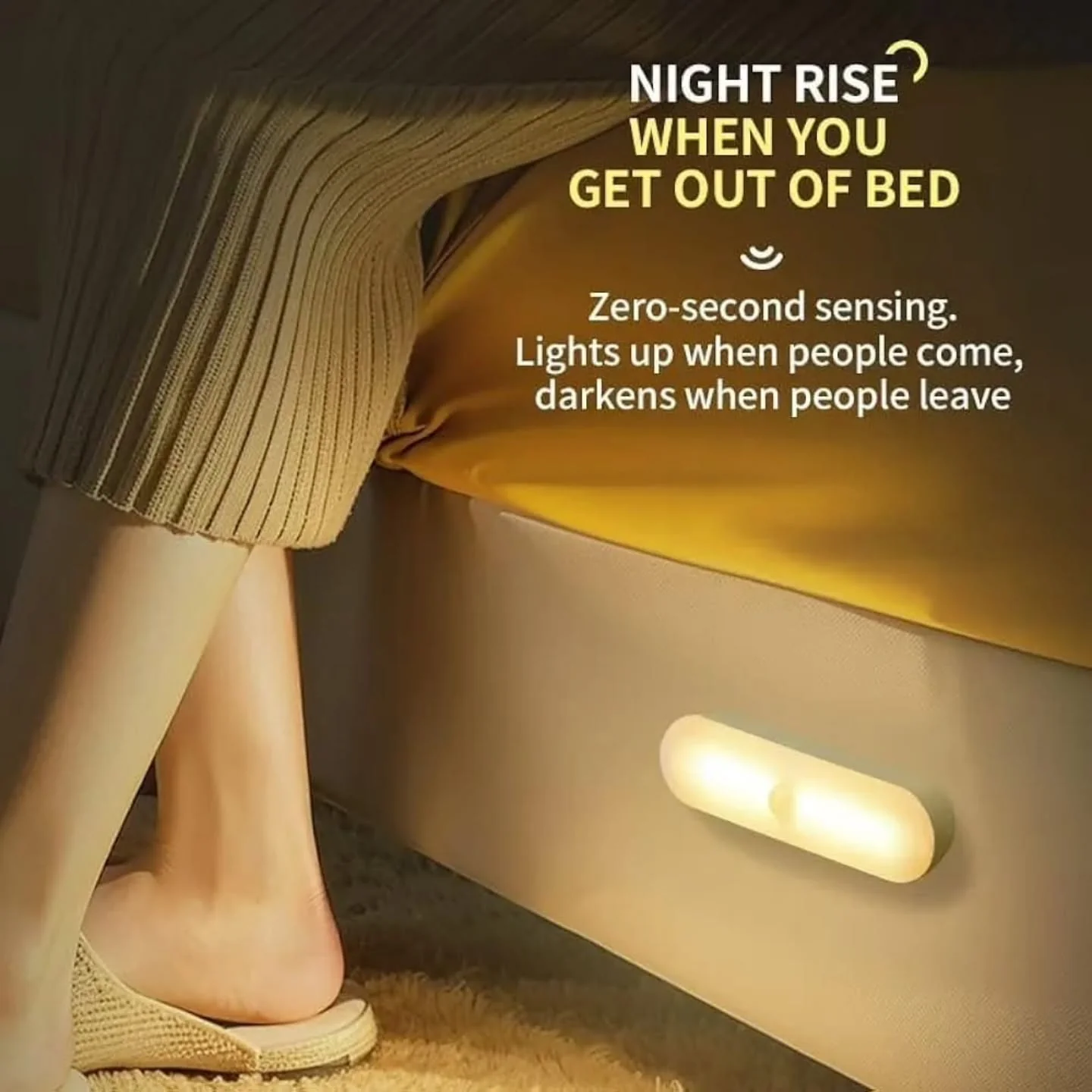
Image credit: @shaunex2026
- Strips or bars mount under the bed frame and stay hidden in daylight
- Motion versions switch on when feet touch the floor
- Warm white light outlines the bed edge and nearby floor clearly
- Battery models avoid loose cords, a common trip hazard
- Brightness stays low, so a partner keeps sleeping
Feet landing on a lit floor changes the whole night routine. The glow shows slippers, rug edges, and anything left in the way before the first step happens. Many older adults tell me this is the upgrade that finally made night walks feel calm again.
3. Touch Control Bedside Lamps
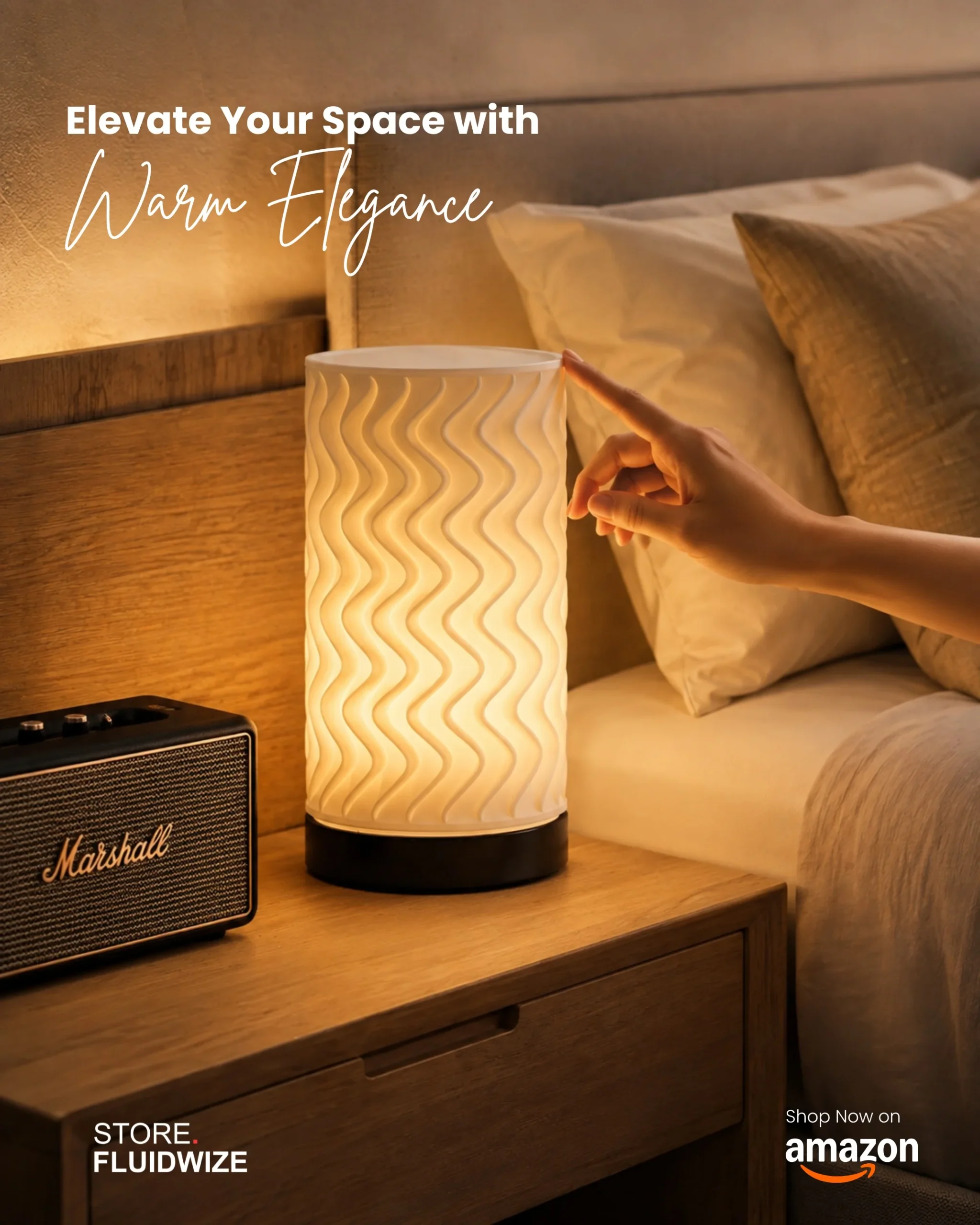
Image credit: @store.fluidwize
Quick Tip: Test the lamp in the shop with a flat palm and with fingertips. Swollen or stiff joints often manage a wide touch area far better than a small sensor spot.
Twist knobs and tiny switches punish arthritic hands, especially in the dark. A touch lamp answers with one tap anywhere on its base, and most models offer three brightness levels for reading, relaxing, and night checks. Keep the base within easy reach of the pillow.
4. Bright Ceiling Light Panels

Image credit: @nanoleaf
BEFORE: A single dim bulb in the center of the ceiling left the wardrobe side and bed corners in shadow. Dressing meant guessing colors, and small objects on the floor stayed invisible until feet found them.
AFTER: A wide panel spreads light into every corner, so clothes, shoes, and furniture edges stand out clearly. Morning routines feel quicker, and the room reads bright without any harsh spotlight effect.
Ceiling light does the heavy lifting for general visibility, yet many older bedrooms still run one weak bulb. Panels with high brightness and a diffused cover suit aging eyes, because light arrives evenly instead of blasting from one point. Pair the panel with a dimmer for softer evenings.
5. Layered Lighting Setup
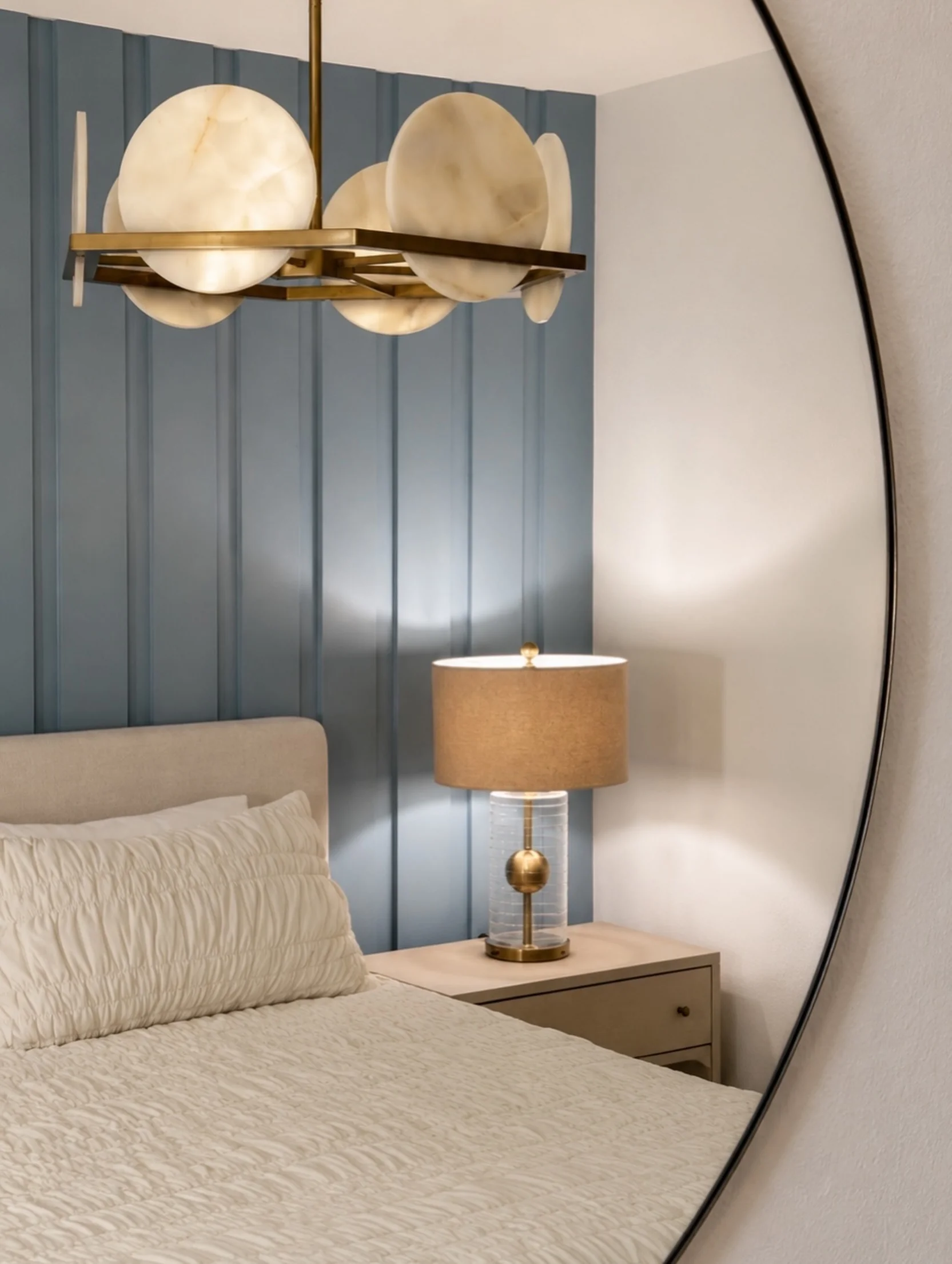
Image credit: @arteriorshome
- Start with ceiling light bright enough to cross the room safely
- Add a bedside lamp on each side for reading and night checks
- Place one floor or table lamp near the dressing area
- Fill dark corners with a small plug-in accent light
- Check the room at night and move any lamp that leaves a shadow gap
Single light sources always leave blind spots, and aging eyes adjust slowly between bright and dark zones. Layers solve that problem quietly. Each layer supports the next, so the whole room holds one steady, comfortable brightness from door to bed to wardrobe, at any hour of the day.
6. Smart Bulbs Voice Control

Image credit: @beesmartech.ai
| Feature | Voice Controlled Smart Bulb | Standard Bulb with Switch |
|---|---|---|
| Switching on | Speak a short command from bed | Walk to the wall switch |
| Brightness control | Adjust by voice or app in steps | Fixed, or changed at a dimmer |
| Night routine | Set schedules and auto dimming | Manual every night |
| Setup effort | Needs Wi-Fi and a phone app | None, works instantly |
Voice control removes the riskiest walk of the day, the one across a dark room. Lights can also follow a schedule, brightening before waking and softening before sleep. Start with one bedside bulb, learn the two or three commands that matter, and keep the normal switch working as backup.
7. Adjustable Reading Lamps
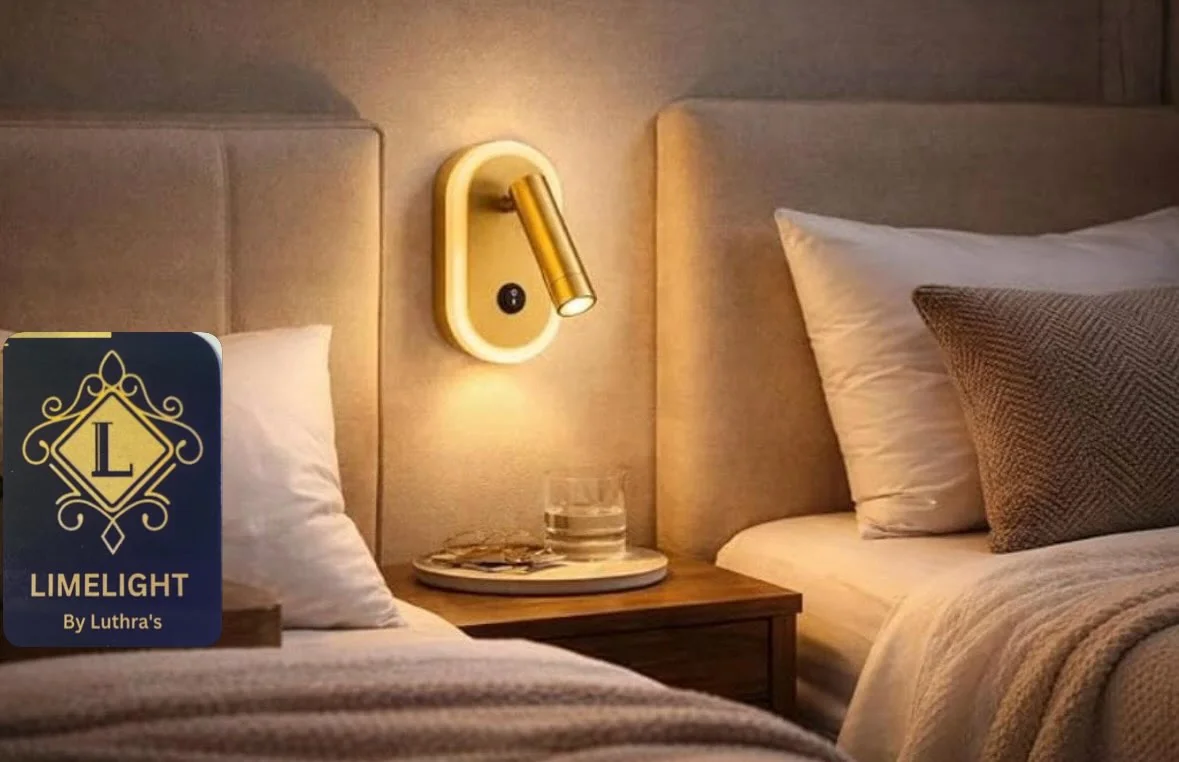
Image credit: @limelight_by_luthras
DO:
- Aim the beam onto the page, never toward the eyes
- Pick a lamp with a heavy base that cannot tip easily
- Choose a warm white bulb for long reading sessions
- Keep the switch on the lamp head or cord, within reach
DON’T:
- Place the lamp behind the shoulder, which throws page shadows
- Use bare bright bulbs that glare off white paper
- Run the cord across a walking path
- Set the arm so low that it blocks the view of the room
Reading in bed or in a chair stays enjoyable only when the page is bright and the eyes stay relaxed. An adjustable arm puts light exactly where print sits, at the right height and angle. That precision also protects posture, since nobody leans toward a dim lamp anymore.
8. Warm White Bulb Choice
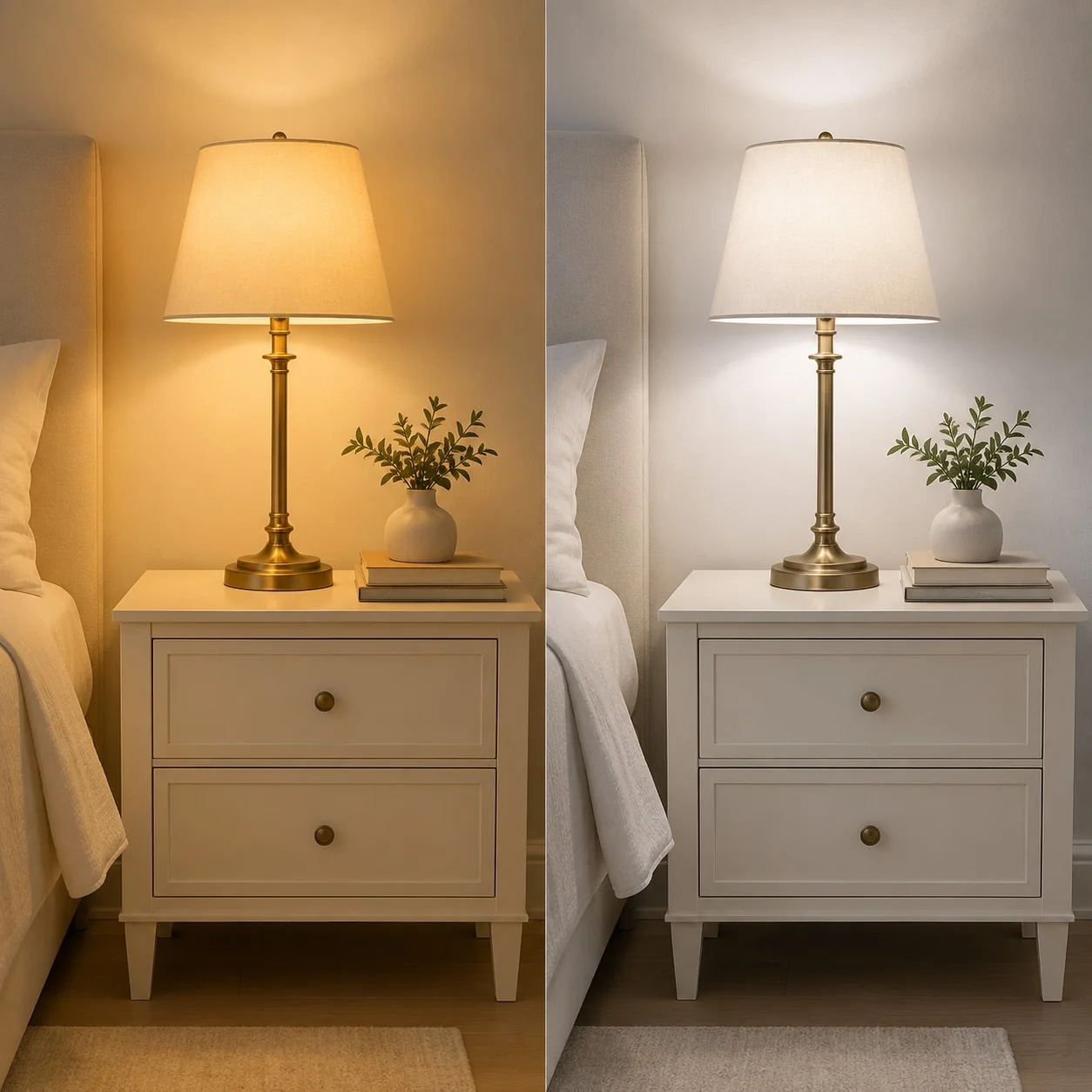
Image credit: @lumuras.store
- Color Temperature: Warm white bulbs sit between 2700K and 3000K, the range most people find restful at night.
- Glare Fact: Blue rich daylight bulbs can feel harsh after dark and may disturb sleep patterns.
- Visibility Fact: Bulbs with a CRI of 90 or higher show true colors, which helps when sorting clothes or medicine.
- Energy Fact: LED bulbs use far less power than old filament bulbs and stay cool to the touch.
Bulb choice quietly decides how a whole room feels after sunset. Warm white light flatters skin, softens contrast shocks, and keeps the body clock calm before sleep. Save brighter daylight tones for the bathroom mirror or a reading chair, where sharp detail matters more than rest.
9. Hallway Path Lighting
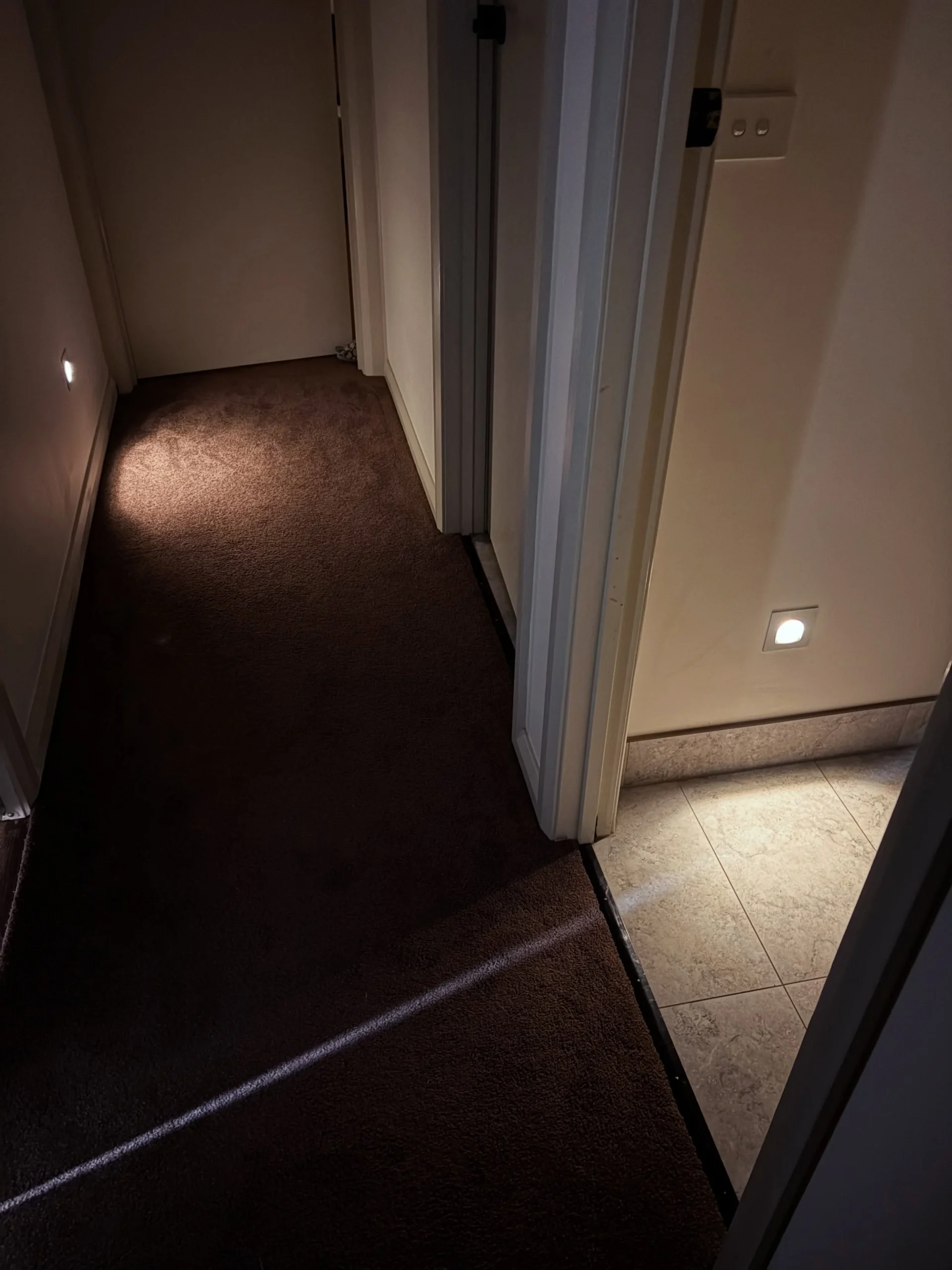
Image credit: @echucamoamaelectrical
The most dangerous meters in many homes sit between the bedroom door and the bathroom. Hallway path lighting fixes that stretch with a low, steady line of light that feet can follow without thinking. Among all the Bedroom Lighting Ideas in this list, this one protects the journey rather than one spot.
Plug-in models with light sensors stay off in daylight and wake up as rooms darken. Space them so the pools of light almost touch, leaving no black gap where balance gets tested. A handrail plus clear light makes the route feel secure from the very first night.
10. Closet Motion Lights
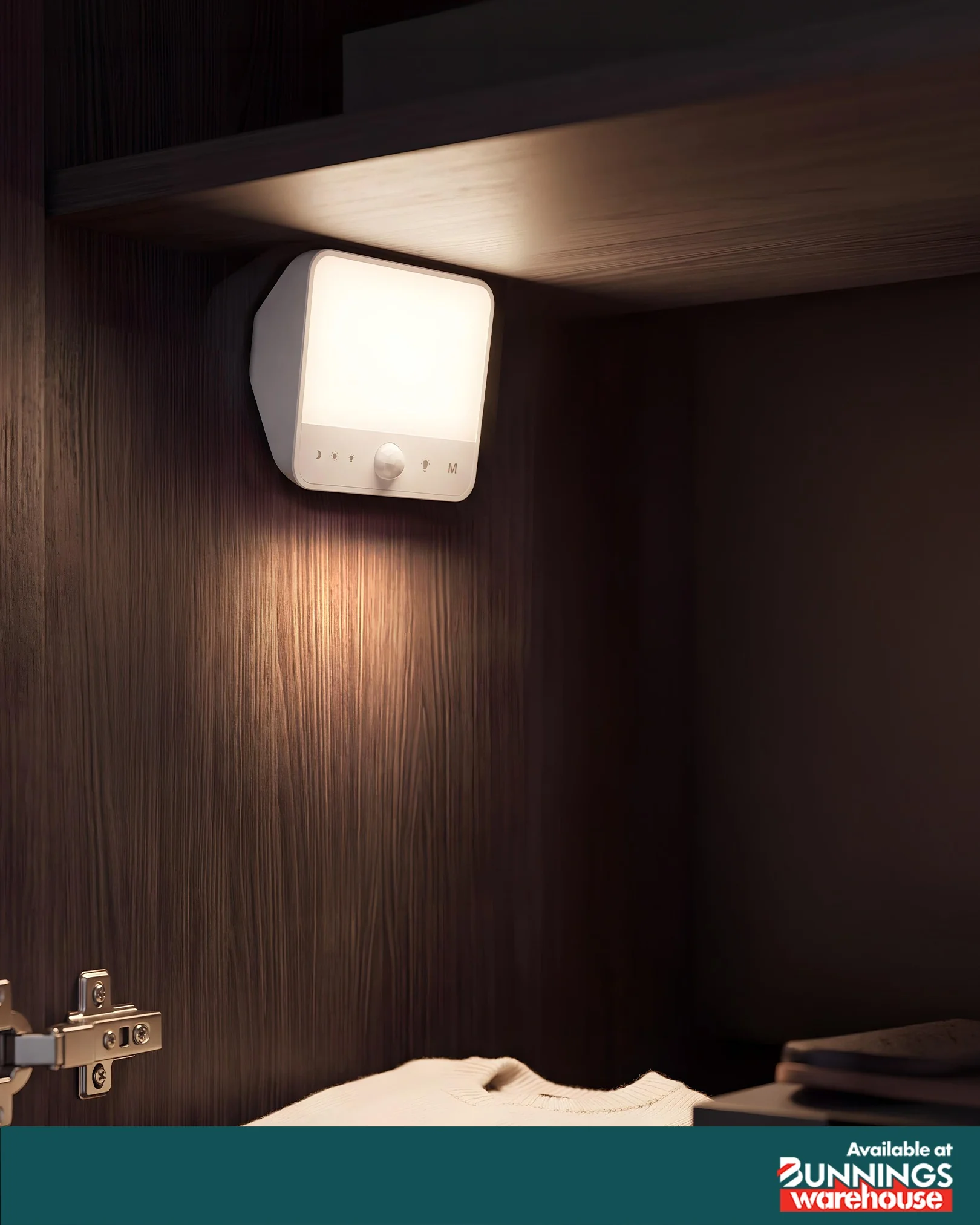
Image credit: @arlec_australia
- Rechargeable bars stick or screw under the closet rail in minutes
- Motion sensors light the space only while doors stay open
- Bright, even light helps separate dark clothing colors correctly
- No wiring needed, so renters and older homes manage easily
Dark closets slow down mornings and invite mistakes, like mismatched shoes or a missed step stool inside. A motion light answers the moment the door opens and switches off after you leave. Choosing outfits becomes faster, calmer, and far less tiring on the eyes each day.
11. Anti Glare Lamp Shades

Image credit: @mura_hm1
Quick Tip: Look at the lit lamp from lying height in bed. If the bare bulb shows below the shade rim, raise the shade or pick a deeper one.
Glare is the hidden enemy of aging eyes, causing squinting, headaches, and watery vision even in a bright room. A fabric or frosted shade spreads light sideways and downward instead of firing it straight out. Rooms feel softer, faces look clearer, and reading stays comfortable for longer stretches.
12. Easy Dimmer Switch Upgrades
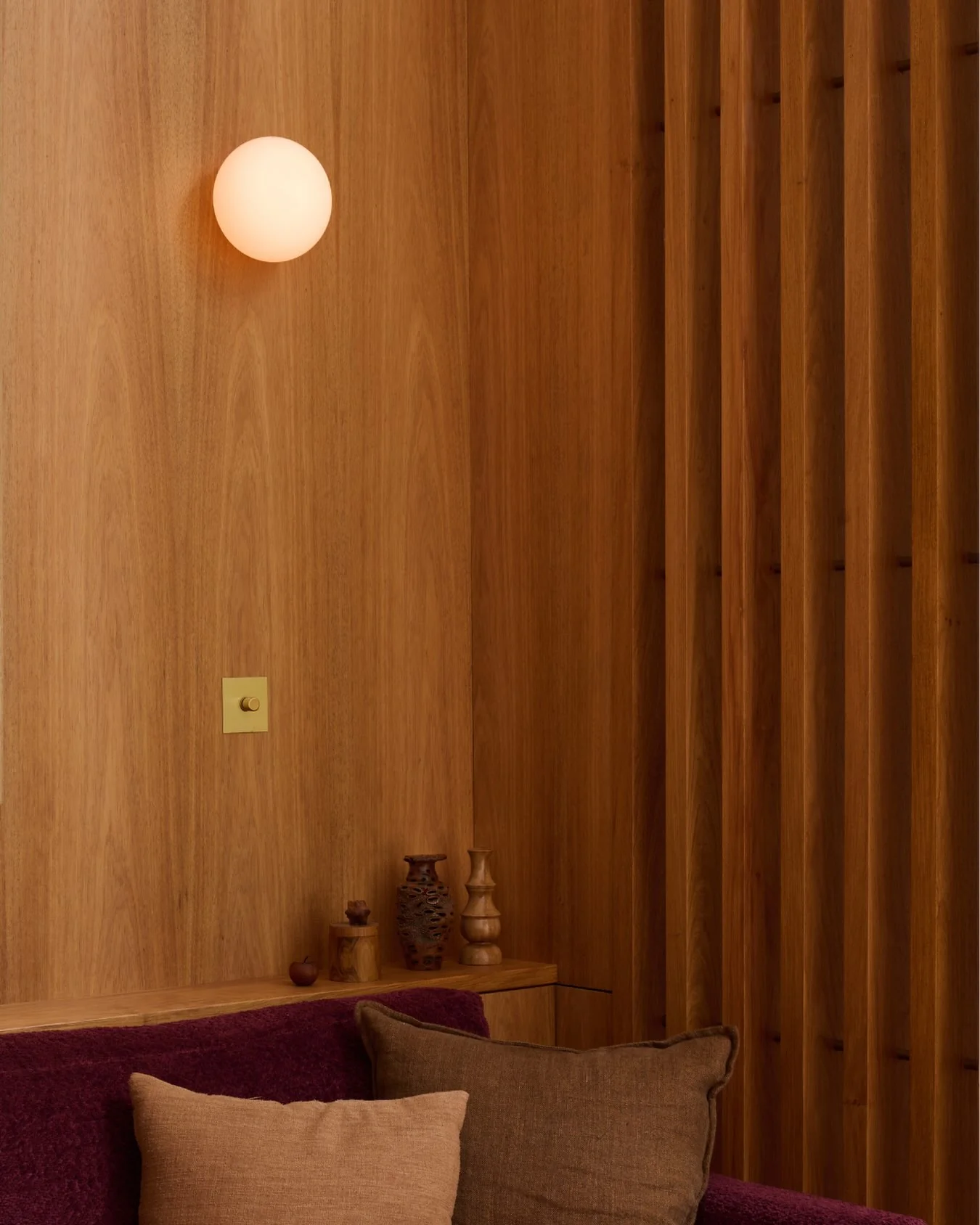
Image credit: @thethomlightswitch
BEFORE: The ceiling light offered only full brightness or total darkness. Evenings felt harsh, and waking at night meant a blinding flash that took minutes to recover from.
AFTER: A dimmer slides the room from bright morning light down to a soft night glow. Getting dressed, reading, and resting all happen under light that matches the moment.
Sudden brightness shocks sensitive eyes and can leave older adults briefly blinded while balance is already shaky. A dimmer removes that shock with gradual change. Large slide or paddle styles suit weaker grips, and many models remember the last setting, so the room opens at a kind level every time.
13. Remote Control Bedside Lamps
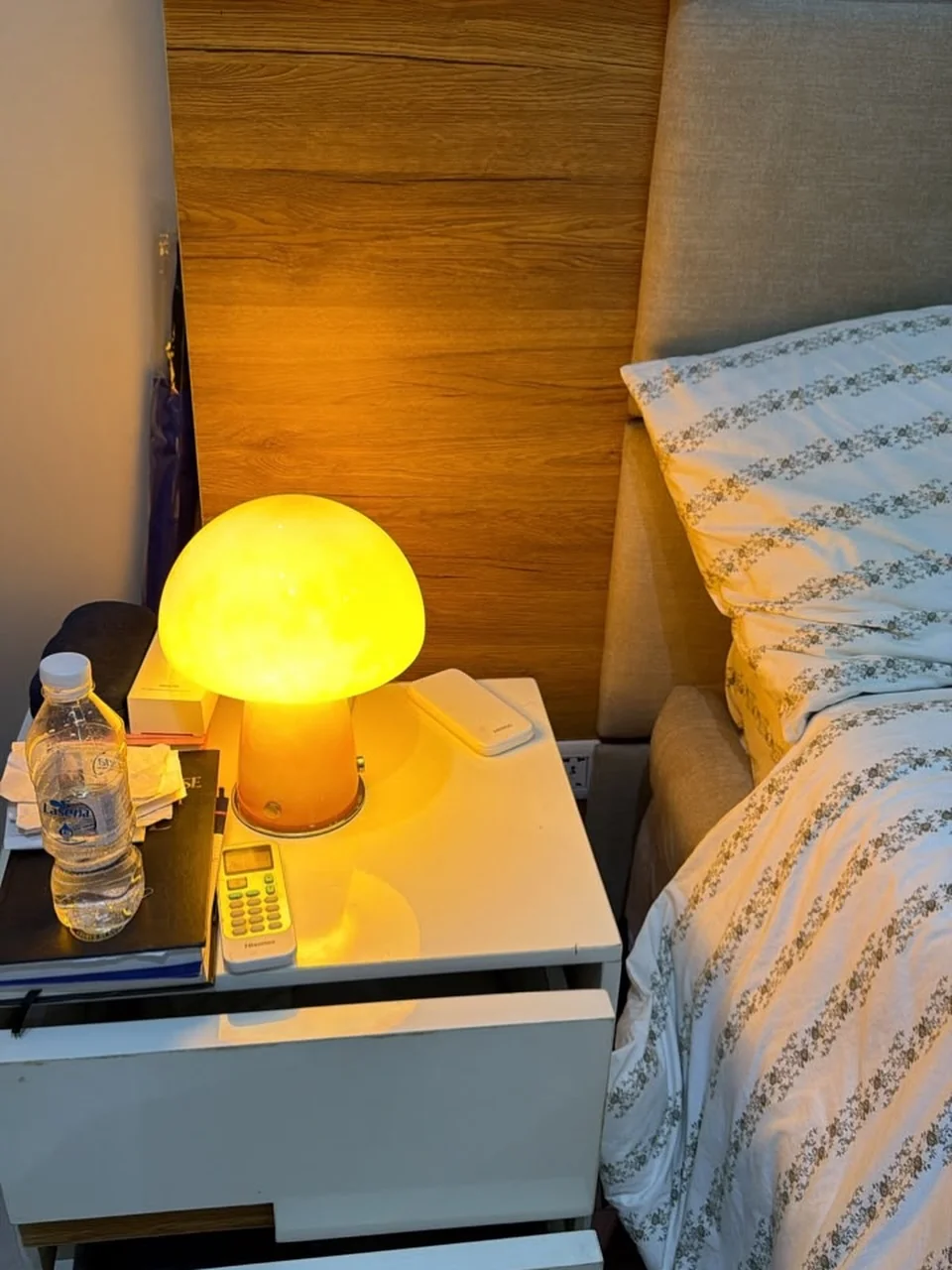
Image credit: @shoppingspree_co
- Choose lamps with large, simple remote buttons
- Pair the remote before placing the lamps in position
- Set one favorite brightness level for reading and one for night
- Keep the remote on a small tray so it never hides in bedding
- Test the range from the pillow and from the doorway
Reaching behind a nightstand for a tiny switch strains shoulders and risks knocking over water or medicine. A remote keeps control inside the bed, where it belongs. Many sets run two lamps from one remote, so both sides of the bed respond together with a single press.
14. Daylight Bulbs For Clarity
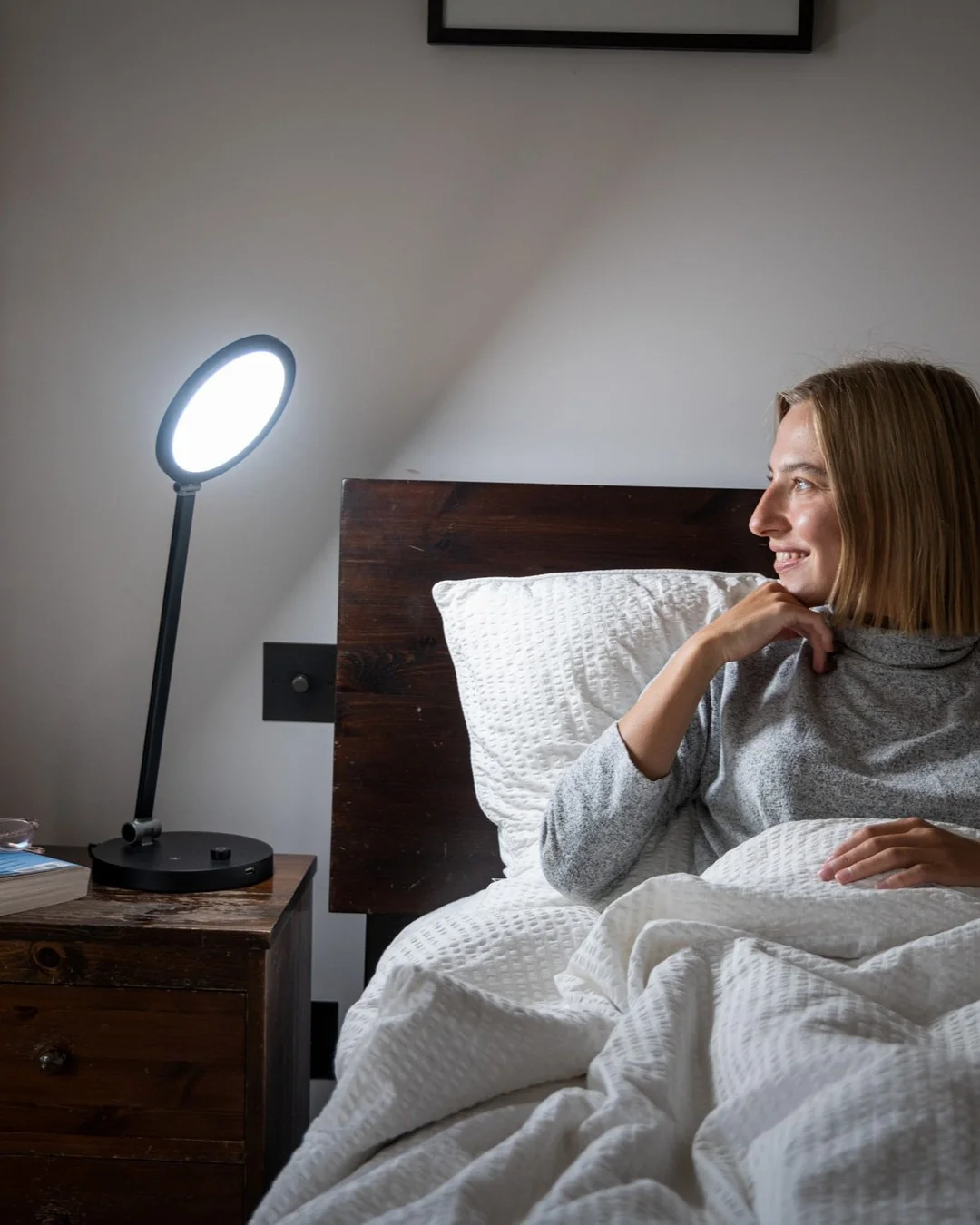
Image credit: @daylight.lamps
| Feature | Daylight Bulb (5000K-6500K) | Warm White Bulb (2700K-3000K) |
|---|---|---|
| Color clarity | Shows true colors for clothes and labels | Softer tones, colors look warmer |
| Best time | Morning and daytime tasks | Evening and before sleep |
| Eye feel | Sharp but can glare if too bright | Gentle and relaxing |
| Best place | Dressing area, reading chair | Bedside lamps, hallway |
Daylight bulbs earn their place during the day, when sorting laundry, reading medicine labels, or choosing between navy and black. Used at night, that same blue rich light can delay sleep. Many homes pair daylight bulbs in one task lamp with warm bulbs everywhere else, and get the best of both.
15. Large Rocker Light Switches
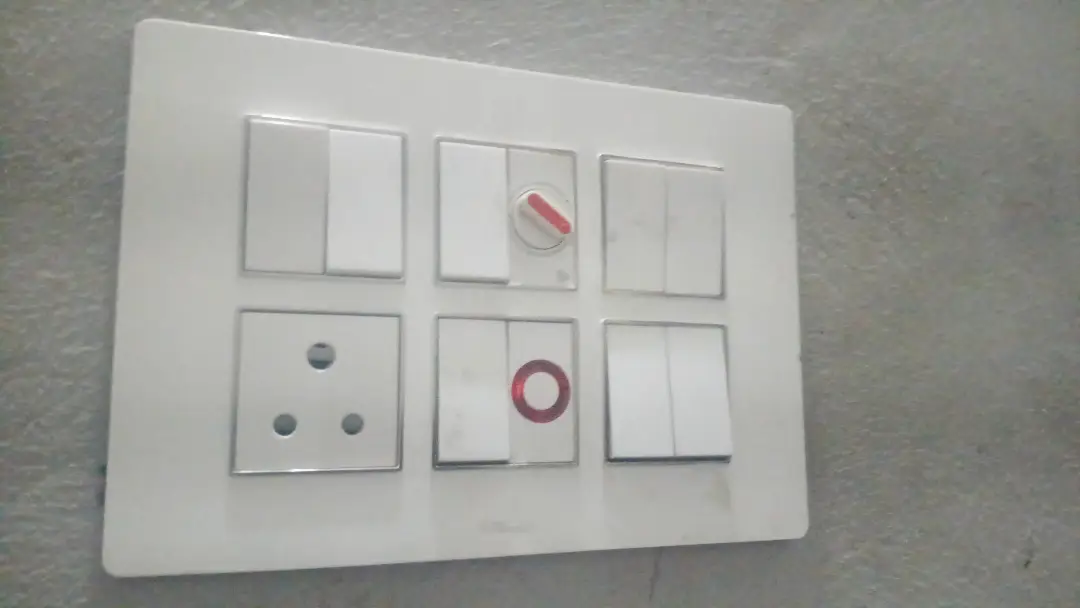
Image credit: @kuljeet__electrician_wrk
DO:
- Fit rocker switches at the bedroom door and beside the bed where possible
- Pick models with a small locator glow for finding them at night
- Use the palm or knuckles when fingers feel stiff
- Keep switch height consistent in every room
DON’T:
- Keep tiny toggle switches that demand a precise pinch
- Place switches behind doors or furniture
- Mix switch directions, which confuses guests and family
Small toggles demand grip strength and aim that stiff fingers may not have at 3 a.m. A broad rocker answers to a palm, a knuckle, even an elbow when hands carry laundry. I’ve noticed this cheap swap often gets thanked more than expensive lamps, because it helps ten times a day.
16. Backup Emergency Night Lights
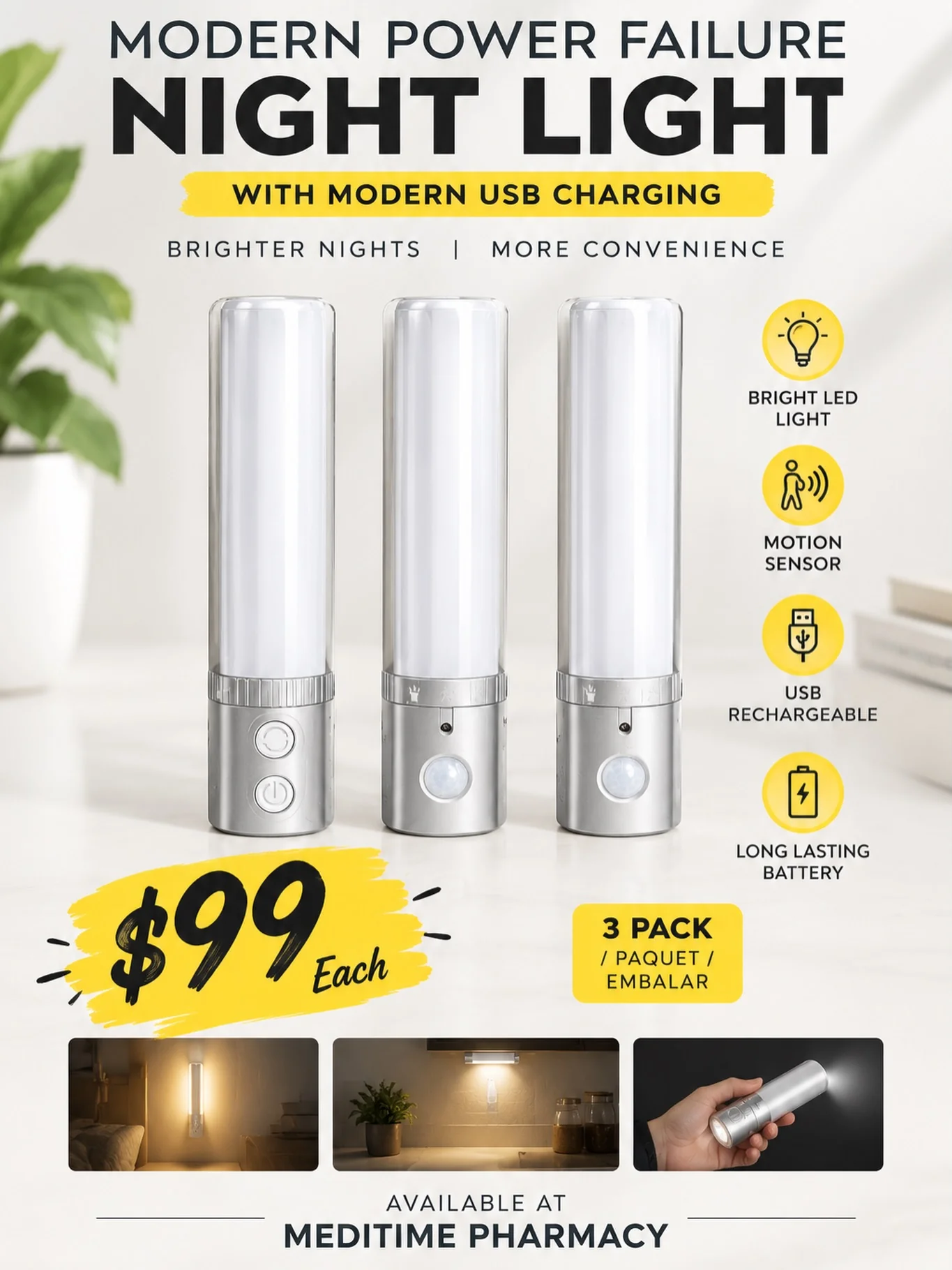
Image credit: @meditime_pharmacy
- Backup Fact: These plug-in lights charge while power runs and switch on alone when the supply fails.
- Runtime Fact: Most models glow for 4 to 10 hours, long enough for a full night outage.
- Torch Fact: Many units lift off the wall and work as a handheld flashlight.
- Placement Fact: One near the bed and one near the bathroom covers the full night route.
A power cut turns a familiar bedroom into unknown territory within seconds. Backup night lights remove that danger before it starts, marking the floor and doorways automatically. They cost little, need no wiring, and ask for zero effort on the worst night of the year, which is exactly when help matters most.
17. Portable Rechargeable Lanterns
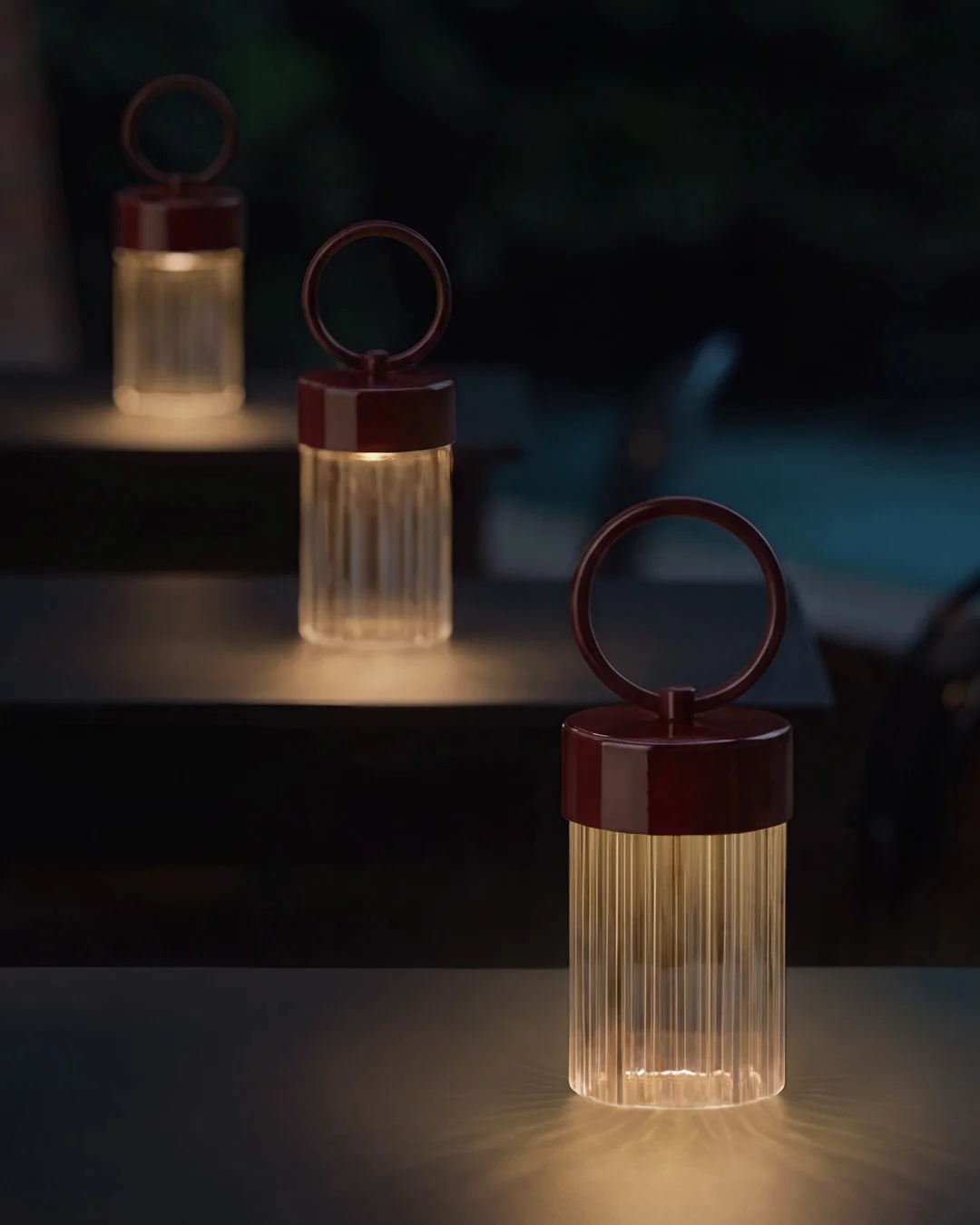
Image credit: @contardi_lighting
Storms, tripped breakers, and dead batteries all share one problem: the lamps you rely on stop working. A rechargeable lantern kept at the bedside answers instantly, lights the route to the door, and can travel room to room during a longer outage. Its handle suits stiff hands far better than a slim torch.
Charge it weekly on the same day as another routine, like changing the bed sheets. Pick a model with a wide, stable base and simple one button control. Stored beside the bed, it quietly promises that no night ever has to be fully dark.
Conclusion
Brighter nights begin with honest light: clear at the floor, gentle at the eyes, and easy to control from bed. These Bedroom Lighting Ideas work as a team, from motion lights on the night route to shades that stop glare before it starts. Start with the walkway you use most, then add one upgrade each week and notice how confidence grows. Save this list on Pinterest for your next home update, share it with family members planning safer rooms for parents, and tell us which change helped most. I’ve seen small lighting fixes restore real independence at home every day.